Best Quantum Token While BTC Struggles
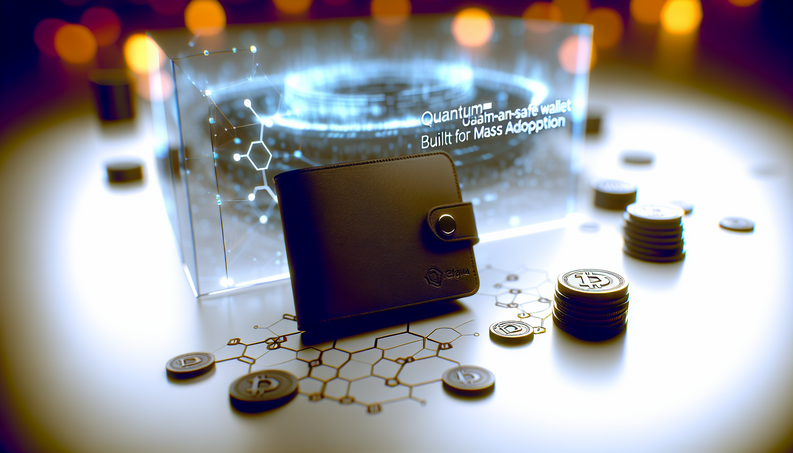
As BTC faces growing quantum threats, the emergence of BMIC paves the way for a secure blockchain future. This article explores BMIC’s quantum-resistant technology and its critical role in defending against quantum computing attacks.
Understanding Quantum Threats to Cryptocurrency
The rapid advancement of quantum computing threatens the security underpinning cryptocurrency. Despite awareness of quantum implications, most Web3 platforms are unprepared to counter these risks. Reliance on traditional cryptographic models, such as those used by Bitcoin (BTC) and Ethereum (ETH), highlights a tendency toward reactive—rather than proactive—security approaches.
Current blockchains primarily use algorithms like RSA and ECDSA, both vulnerable to quantum attacks. Shor’s algorithm enables quantum computers to factor large integers and compute discrete logarithms, potentially undermining security for billions in digital assets (source: NIST on post-quantum cryptography). Many projects mistakenly assume quantum computing is distant, delaying meaningful defenses. This creates a landscape where assets can be harvested by malicious actors and later decrypted when quantum technology matures.
Legacy systems’ quick fixes and patches offer only short-term comfort, potentially fostering false confidence in outdated security measures. Minor cryptographic upgrades simply cannot address quantum threats at their core. Instead, a foundational change is needed.
BMIC addresses these challenges with a comprehensive, quantum-native ecosystem. This approach supports current cryptographic methods but also introduces robust quantum security protocols from the ground up. BMIC integrates AI-driven optimization and decentralized, resilient governance to secure Web3’s future, directly tackling the vulnerabilities that other platforms fail to resolve.
As the industry lags in innovation, BMIC distinguishes itself with a revolutionary wallet and token system specifically engineered for quantum safety. This proactive stance counters the “harvest now, decrypt later” dilemma, ensuring users and their assets stay protected. BMIC’s commitment to democratizing quantum technology positions it as a vital evolution—not just an alternative—within Web3.
The Inadequacy of Current Solutions
Limitations of Bitcoin and Ethereum
Despite increased awareness, most of Web3 remains ill-prepared for quantum risks. Major cryptocurrencies like Bitcoin and Ethereum rely on algorithms conceived long before quantum threats surfaced. Discussions about future upgrades and stronger cryptography demonstrate a lack of urgency, as these incremental changes merely delay but do not resolve quantum vulnerabilities.
Bitcoin’s approach centers on gradual upgrades, but its ECDSA foundations remain a weak point. Ethereum, while advancing scalability and speed with Ethereum 2.0, has yet to prioritize a genuine move toward quantum-resistant cryptography. Improvements focus on performance, not on addressing the root threat posed by quantum decryption capabilities.
The Need for Architectural Overhaul
Projects often propose future quantum resistance without intrinsic, robust architectural designs. Dependency on legacy cryptography renders digital assets increasingly exposed. The industry’s norm—temporary adjustments or placeholders—fails to address the depth of the threat.
What’s needed is a deliberate architectural overhaul, embedding quantum safety into the very fabric of blockchain protocols from inception. Reliance on patches risks significant financial losses as quantum computing advances.
BMIC’s Quantum-Native Solution
BMIC departs from this trend, introducing a quantum-native blockchain architecture. By blending advances in quantum hardware with AI-driven resource management, BMIC sets a new standard. Its framework is proactive: rather than responding to incidents, it anticipates and neutralizes quantum threats. This comprehensive solution offers not only defense but democratized access to quantum computing, ensuring equitable participation in the evolving digital economy. Learn about the BMIC tokenomics that underpin this innovative approach.
Introducing BMIC and Its Vision for Quantum Resilience
Quantum-Native Architecture by Design
BMIC leads the industry in quantum-resistant technology with infrastructure built to withstand both current and future quantum threats. Unlike traditional blockchains requiring retroactive upgrades, BMIC integrates quantum safety from the outset with protocols and algorithms designed for long-term adaptability.
BMIC Token and Ecosystem
The BMIC token anchors a decentralized, quantum-secure cloud. Each transaction is protected by modern cryptographic principles designed to resist quantum computing attacks. This secure environment encourages vibrant user and developer engagement, fostering innovation within a trusted framework.
Democratizing Quantum Computing
BMIC breaks down barriers to quantum access, disrupting the concentration of computing power held by technology giants. Its inclusive, blockchain-based governance model empowers a diverse community to influence technological evolution and resource allocation. Through the BMIC approach, quantum computing becomes a shared tool rather than an exclusive privilege. Find out more about the BMIC team leading this effort.
By prioritizing quantum resilience and broad participation, BMIC redefines blockchain security and opens the doors to confident, future-proof development across the cryptocurrency sector.
Innovative Features of BMIC Technology
Quantum-Resistant Wallet
BMIC’s wallet delivers industry-leading quantum security, employing Post-Quantum Cryptography (PQC). It incorporates advanced lattice-based, hash-based, and other PQC algorithms to ensure assets stay protected even as quantum capabilities accelerate. Unlike conventional wallets vulnerable to quantum decryption, BMIC’s approach provides users with robust confidence and safety.
Burn-to-Compute Model
BMIC introduces a “burn-to-compute” utility model:
- Users burn tokens to receive compute credits for quantum resources
- Token burning reduces overall supply, contributing to deflationary pressure
- Scarcity as a result of burns can enhance token value for remaining holders
This dynamic directly links token value with quantum cloud utility, aligning supply with genuine use.
Smart Accounts and Hybrid Signatures
Additionally, BMIC implements smart accounts that allow for advanced, programmable features:
- Multi-signature authorization
- Programmable spending conditions
Hybrid signature models merge the security of traditional signatures with quantum-resistant methods, elevating defense standards and complicating unauthorized access attempts.
Together, these innovations establish BMIC as a multi-layered security leader, effectively navigating quantum threats while empowering users to benefit from the next era of decentralized technology.
The Role of Quantum Security-as-a-Service
Seamless Quantum Protection for Enterprises
Quantum Security-as-a-Service (QSaaS) is vital for organizations confronting quantum risks. BMIC’s QSaaS solution seamlessly integrates with existing infrastructures via APIs, enabling enterprises to augment traditional security measures with quantum-resistant cryptography—without the need for costly overhauls.
This layered approach allows businesses to:
- Integrate quantum-safe algorithms incrementally
- Minimize operational disruption during transitions
- Reduce costs associated with large-scale system updates
- Adapt quickly to new threats while maintaining efficiency
Challenges in Transitioning to Quantum Security
Despite these benefits, enterprises face key challenges:
- Identifying vulnerabilities within complex legacy systems
- Lack of internal expertise or resources for quantum security analysis
- Misinformation about quantum risks reducing urgency of adoption
- Training staff to proficiently operate new quantum tools
Supporting Successful Integration
BMIC addresses these concerns by providing tailored educational materials, expert support, and guidance for effective integration and maintenance. Its QSaaS platform ensures organizations can upgrade their security postures efficiently, staying resilient as quantum computing evolves and reshaping the security paradigm for enterprise data and transactions.
For more on how BMIC’s road ahead addresses security with innovation, explore the BMIC roadmap.
The Future of Staking and Governance with BMIC
Quantum-Resistant Staking
BMIC introduces advanced staking mechanisms that are inherently resistant to quantum threats. By integrating post-quantum public-key cryptography, BMIC ensures all staked tokens are safeguarded against future decryption capabilities, promoting confidence and increased participation among network contributors.
Decentralized and Transparent Governance
The ecosystem’s governance is decentralization-focused. Holders receive governance tokens, enabling them to propose and vote on upgrades, investments, and resource allocation. All governance actions are transparently recorded on-chain, ensuring authenticity and security—enhanced by quantum-resistant digital signing.
Sustainable Incentives for Participation
The BMIC token is tightly bound to the network’s core functionality. Token rewards are distributed transparently, incentivizing token holders not just for staking but for active and constructive governance participation. This engagement-driven model cultivates long-term ecosystem health and stability, reducing speculative trading.
With quantum-resistant technology strengthening both staking and governance, BMIC provides lasting protections for users’ assets and participatory rights, setting a new standard for secure, future-forward decentralized finance.
Building Consumer Trust in the Quantum Era
Educational Initiatives and Transparency
Consumer education is crucial for BMIC’s mission to democratize quantum computing. The project offers varied educational resources, including tutorials, webinars, and whitepapers, to explain quantum threats and the need for post-quantum technologies. Transparent communication empowers users to make informed decisions about security and investment.
Marketing and Community Engagement
BMIC’s marketing efforts highlight the reliability of its quantum hardware, AI optimization, and blockchain governance. Sharing user testimonials and success stories demonstrates tangible benefits, turning curiosity into lasting trust and advocacy. Follow-up educational resources further nurture engagement and community loyalty.
Demonstrating Real-World Impact
By spotlighting real-world use cases—such as applications of BMIC technology in finance, healthcare, or supply chains—BMIC illustrates practical reliability and high standards of data protection. These examples bridge the gap between abstract technical language and the tangible value BMIC provides, reinforcing user trust and industry credibility.
Strategic education, clear communication, and real-world evidence position BMIC as a trusted leader in the emerging quantum-secure landscape.
BMIC’s Vision for the Future of Web3 Security
Advancing Post-Quantum Protocols
BMIC’s forward-looking vision includes the development and continual refinement of quantum-resistant cryptographic protocols through collaboration with leading cryptographers and real-world testing. Security is integrated as a core feature, not an afterthought.
Integrating Quantum Hardware and AI
By 2025, BMIC intends to roll out proprietary quantum computing technology, seamlessly optimizing AI resource allocation for quantum transactions. This will make powerful quantum resources available to individuals and enterprises alike, furthering BMIC’s mission to democratize access.
Influencing Industry Standards and Regulations
BMIC seeks to be a major voice in forming future regulatory standards for quantum security. By partnering with policymakers and industry groups, BMIC aims to establish frameworks that protect users and the digital economy from quantum risks—a stance that underlines its commitment to secure, decentralized systems.
Continuous Innovation and Advocacy
BMIC stays ahead of quantum developments through ongoing education, advocacy, and technical updates, ensuring its ecosystem remains both pioneering and secure as the quantum landscape evolves.
Conclusions
As BTC faces unprecedented quantum threats, BMIC stands out by leveraging cutting-edge technology to shield digital assets. By prioritizing quantum resistance and democratizing quantum computing, BMIC is laying the groundwork for a secure blockchain future. Explore the BMIC team dedicated to driving this innovation forward.
Written by Daniel Foster, Blockchain Analyst at BMIC.ai