BMIC Card for Real Life Use
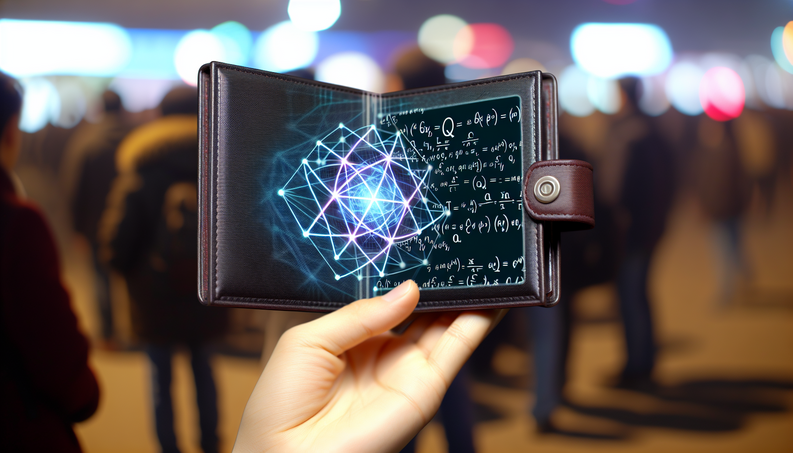
The BMIC Card for real-life use marks a significant advancement in secure crypto spending. Featuring quantum-resistant technology, the card combines privacy and protection while connecting seamlessly with global payment networks. By integrating quantum innovations, BMIC is setting a new standard for secure digital transactions accessible to everyday consumers.
Understanding the BMIC Card
The BMIC Card is redefining financial technology by uniting cryptocurrency’s versatility with advanced quantum-secure protocols. Available as a prepaid debit or virtual card, the BMIC Card is engineered for both crypto and traditional payment systems, supporting users’ everyday spending with enhanced security.
Users can load the card with multiple cryptocurrencies, which are converted in real time to stablecoins—tokens pegged to stable values. This approach mitigates typical crypto volatility and allows users to transact confidently without price fluctuations affecting their purchases. Global acceptance means the BMIC Card works anywhere standard payment cards are accepted, seamlessly integrating digital assets with traditional finance.
The BMIC Card’s introduction represents a pivotal moment in making cryptocurrency more accessible to the general public. Its quantum-secure framework safeguards users from evolving threats, including those posed by powerful quantum computers. As digital transactions become more commonplace, robust and adaptable security is paramount. The BMIC Card addresses this need by providing an efficient, secure, and user-friendly bridge between cryptocurrencies and conventional banking, reinforcing trust in digital finance.
The Importance of Quantum-Resistant Security
The rapid evolution of quantum computing poses significant challenges to standard cryptographic systems, particularly in finance. Digital currency and payment innovations amplify the need for quantum-resistant security as quantum computers edge closer to rendering traditional encryption obsolete.
Quantum Threats to Financial Systems
Quantum computers can solve complex mathematical problems that underpin modern encryption far faster than classical computers. Algorithms like Shor’s algorithm threaten widely used methods such as RSA and ECC (Elliptic Curve Cryptography), putting digital transactions and sensitive data at risk. A capable quantum computer could potentially intercept transactions, decrypt confidential information, and impersonate users, undermining the trust upon which financial systems rely.
The broader adoption of cryptocurrencies increases scrutiny on the security of wallets and transaction processes. Without upgrading to quantum-resistant standards, these systems are susceptible to new risks—financial loss and identity compromise among them. As digital dealings intensify, the need to adapt security solutions is more pressing than ever.
BMIC’s Quantum-Resistant Architecture
BMIC addresses this challenge by combining blockchain governance with quantum hardware capabilities, deploying a layered security approach. The card employs hybrid post-quantum cryptography (PQC), integrating classical and quantum-resistant algorithms for comprehensive protection. This blend shields users from current and future threats resulting from advances in quantum technology.
The architecture is bolstered by AI resource optimization, delivering adaptive security that evolves alongside emerging threats. Unlike static traditional systems, BMIC’s infrastructure dynamically adjusts, maintaining a robust defense against an ever-changing threat landscape.
As quantum advancements continue to accelerate, quantum-resistant security is no longer optional—it is essential. The BMIC Card stands as a clear example of proactive innovation, securing users’ transactions and sensitive data and setting a new benchmark in financial safety. For further insights into post-quantum cryptography and challenges, see this NIST announcement on future-proof cryptography.
Key Features of the BMIC Card
The BMIC Card integrates several quantum-resistant features that distinguish it from other digital payment solutions:
- Hybrid PQC Credentials: Merge classical and post-quantum cryptography for dual-layered security, defending users against both current and forthcoming attacks.
- Smart-Account Signatures: Generate unique digital signatures for each transaction, enhancing verification while preserving user anonymity and minimizing data exposure.
- Signature-Hiding Layer 2 (L2) Routing: Conceals transaction signatures on blockchains, ensuring privacy even when data appears on public ledgers.
- Seamless Crypto and Fiat Integration: Users can nimbly switch between cryptocurrencies and fiat currencies, enjoying flexibility without compromising convenience.
Innovations in User Experience and Privacy
These features collectively allow users to authenticate transactions securely and anonymously, mitigating risks of hacking and surveillance. The card’s support for crypto and fiat means users can handle both digital assets and traditional funds with one tool, bridging established finance and emerging technologies. For more details on BMIC’s project, visit the BMIC team page.
Practical Use Cases of the BMIC Card
The BMIC Card is designed to be approachable and practical for everyday financial needs. Here’s how users interact with its leading-edge technology:
- Wallet Creation: Download the BMIC app, set up an account, verify your identity, and generate a hybrid PQC key pair for immediate, robust wallet security.
- Funding: Add funds by transferring cryptocurrency from other wallets or linking traditional bank accounts. The process leverages integrated security to assure safe conversions and transfers.
- Global Spending: Use the card at numerous merchants worldwide. Enjoy fast, contactless, and seamless payments—combining the familiarity of credit cards with blockchain resilience.
- Expense Tracking: Monitor real-time balances, receive instant notifications, and analyze spending categories directly in the app. Integrated budgeting tools give users meaningful insights and control over their finances.
By uniting versatile funding, immediate usability, and transparent tracking, the BMIC Card empowers users to manage and secure their everyday finances while leveraging advanced cryptographic protection. Its approach aligns with BMIC’s broader vision of democratizing quantum security.
BMIC’s Vision and Technology Innovations
BMIC is dedicated to advancing both secure financial transactions and accessible quantum technology. Recognizing increasing cyber threats and the limitations of legacy security, BMIC’s mission is to democratize quantum security, delivering robust protection to individuals and organizations alike.
Strategic Technology Synergies
BMIC’s approach is rooted in the synergy of quantum computing, blockchain, and AI:
- Quantum Computing: Foundation for encryption capabilities that exceed classical systems, reinforcing payment defense.
- Blockchain Integration: Adds transparency and decentralization, granting users greater control over their assets and personal information.
- AI Enhancement: Future plans involve AI-driven transaction monitoring and adaptive security that anticipate user behaviors and swiftly counter abnormalities.
User Empowerment and Ongoing Development
BMIC prioritizes usability by refining interfaces, ensuring easy navigation, and pursuing partnerships for deeper merchant compatibility. Educational initiatives and streamlined onboarding aim to make quantum-secure finance accessible to all.
BMIC recognizes challenges in transitioning users from classical to quantum systems and continues to invest in making this evolution as seamless as possible. Through ongoing innovation and user-focused strategies, BMIC aspires to facilitate secure, inclusive payment solutions in the digital age.
Challenges and Counterarguments
Despite its technological advantages, the BMIC Card faces several adoption and integration challenges that must be navigated:
- Reliance on Classical Systems: The full transition to quantum-resistant frameworks is ongoing, necessitating interim use of traditional security. This dual approach may introduce vulnerabilities and affect user confidence.
- Integration with Existing Systems: Smooth merchant and user adoption requires existing POS infrastructure upgrades and general education. Smaller businesses may hesitate to participate until usability and value are clear.
- BIN Sponsor Partnerships: Worldwide use depends on robust collaborations with Bank Identification Number sponsors across jurisdictions. These partnerships must balance global compliance and technical compatibility to ensure operational reach and reliability.
Addressing these challenges is vital for BMIC’s mission to make quantum-secure payments accessible at scale. Through incremental migration, broad education, and strategic partnerships, BMIC is committed to building a secure, adaptable, and trustworthy digital payment future. For more on BMIC’s long-term development, read their project roadmap.
Looking Ahead: The Future of Quantum Financial Security
The transition to quantum financial security represents a major shift in financial asset protection. As quantum computers progress, traditional transaction security faces obsolescence, making it imperative for users and businesses to adopt quantum-resistant systems.
The Role of the BMIC Card in Future Finance
The BMIC Card’s quantum-secure architecture ensures payments remain resilient amid escalating threats. Its integration with blockchain and AI enables scalable, adaptive solutions—poised to support a new financial ecosystem where instant, ultra-secure transactions are standard.
BMIC’s expanding ecosystem will support advanced capabilities, including:
- Smart contracts with dynamic cryptographic enhancements
- Decentralized finance platforms responsive to real-time threats
- Cross-border transactions secured against quantum risks
By equipping themselves with the BMIC Card, users proactively protect their finances against uncertainty, participate in financial innovation, and contribute to a fairer, more decentralized system. Learn how BMIC tokenomics support these developments on the BMIC Tokenomics page.
Conclusions
The BMIC Card is a critical evolution in next-generation payment solutions, offering robust quantum-resistant technology to secure users amidst emerging digital threats. As the financial sector pivots to quantum security, the BMIC Card empowers consumers with the tools needed for trust and resilience in everyday transactions.
To stay ahead in quantum-secure finance and be part of the transformative BMIC ecosystem, explore our team and vision today.
Written by David Harper, Blockchain Analyst at BMIC.ai