BMIC: Crypto Security Redefined for 2025
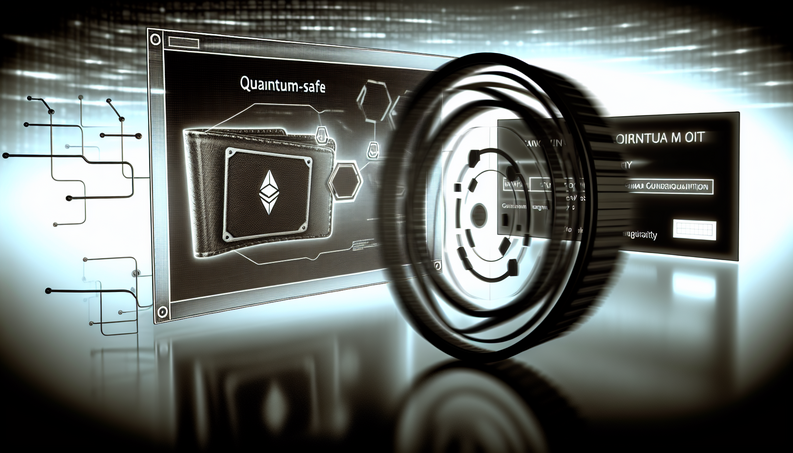
As quantum computing advances, traditional cryptographic methods are increasingly at risk. BMIC (Blockchain Micro-Ion Compute) is addressing this with innovative solutions for 2025, including a quantum-resistant wallet and a decentralized cloud ecosystem.
The Quantum Threat to Digital Security
Quantum computing is advancing rapidly, raising critical concerns for digital security. Contemporary cryptographic systems, such as RSA and elliptic-curve cryptography (ECC), depend on mathematical problems that are difficult for classical computers to solve. However, quantum computers can easily break these codes using algorithms like Shor’s, jeopardizing the security of most digital communications.
Digital wallets, blockchain networks, and online identities are more vulnerable than ever to quantum decryption techniques, which could expose private keys and undermine trust in blockchain systems. Quantum systems can execute complex calculations in moments—processes that would take centuries on classical computers—posing severe risks to both individuals and businesses.
Recent data highlights the urgency: investments in quantum computing are projected to exceed $24 billion by 2024, and 82% of IT professionals view quantum computing as one of their top upcoming threats. The rapid increase in quantum computing research further illustrates the accelerating pace of innovation and risk. For more insights into this trend, see this [comprehensive report from the World Economic Forum](https://www.weforum.org/agenda/2023/03/quantum-computing-cybersecurity/).
The quantum threat impacts industries from finance to healthcare, threatening sensitive data at every level. Cybersecurity experts warn that ignoring these risks could lead to massive breaches affecting individuals, corporations, and governments. In response, organizations must proactively evolve their security measures to keep pace with quantum advancements.
Addressing quantum vulnerabilities is now essential. BMIC is democratizing access to quantum computing and integrating advanced security measures—combining next-generation quantum hardware, AI-driven optimizations, and robust blockchain governance. This mission provides renewed confidence for those seeking resilience in the next era of digital finance. For more details about the team driving BMIC’s innovation, visit the BMIC Team page.
Introducing the BMIC Ecosystem
BMIC is pioneering a new era in crypto security with a comprehensive ecosystem that integrates quantum computing, post-quantum cryptography, and blockchain governance to set new security standards for 2025 and beyond.
Core Components of the BMIC Ecosystem
- Quantum Cloud Network: Offered as a distributed network, this allows users access to genuine quantum computing power without the need for costly hardware ownership. It democratizes quantum capabilities, supporting adoption across industries and sizes while ensuring transparency and security with blockchain governance.
- Post-Quantum Cryptography (PQC): BMIC emphasizes PQC to defend against quantum attacks. The system is continually updated with the latest advancements in cryptography to maintain robust protection.
- Quantum-Resistant Wallet: Incorporating up-to-date PQC algorithms, the wallet provides seamless updates and ensures users’ digital assets remain protected as quantum capabilities evolve.
- Quantum Security-as-a-Service (QSaaS): This enterprise offering provides infrastructure and tailored quantum-resistant solutions without the need for organizations to develop in-house expertise, supporting secure operation in a post-quantum world.
By combining these advanced tools, BMIC not only addresses the quantum threat but also delivers a blueprint for the future of secure digital finance. For a closer look at project development milestones, explore the BMIC roadmap.
Features of BMIC’s Quantum-Resistant Wallet
BMIC’s quantum-resistant wallet sets new standards for security, specifically engineered to prevail against quantum-based cyber threats.
Advanced Post-Quantum Cryptography
Rather than relying on RSA or ECC, which quantum computers can crack, the wallet leverages algorithms grounded in mathematical problems believed to be impervious to quantum attacks. This ensures user assets and digital transactions remain protected well into 2025 and beyond.
Account Abstraction and Flexibility
Account abstraction separates smart contract execution from the underlying blockchain, enabling users to customize transaction logic and implement dynamic security measures. Constructing multi-signature requirements or specific transaction conditions enhances both flexibility and security.
User-Level Protections
Key wallet protections include:
- Automatic Quantum-Risk Scoring: Real-time assessments of quantum threats empower users to adjust settings for added resilience.
- Zero Public-Key Exposure: Users’ public keys are never broadcast, drastically reducing exposure to targeted attacks.
These advancements not only shield assets but also reinforce privacy and confidence in digital finance. BMIC’s wallet embodies both technical innovation and the broader commitment to democratize secure quantum technology.
The Economic Model Behind BMIC
BMIC’s economic architecture is designed for sustainability, combining innovative tokenomics, staking mechanisms, and decentralized governance.
Burn-to-Compute Utility and Deflation
The burn-to-compute mechanism allows users to access quantum computing resources by burning tokens, directly linking token value to platform utility and creating a deflationary environment as burned tokens are permanently removed from circulation. Learn more details about BMIC’s token economics on the BMIC tokenomics section.
Staking for Security and Rewards
Token holders can:
- Stake tokens to strengthen network security
- Earn rewards for supporting the platform
- Gain governance voting power to influence platform evolution
Staking helps ensure network integrity and decentralization, which are especially vital in the face of quantum threats.
Decentralized Governance
BMIC’s transparent governance empowers token holders to propose and vote on significant protocol changes, from security upgrades to network features. This participatory structure fosters a resilient, adaptive ecosystem that evolves with community input, maintaining alignment with BMIC’s mission.
BMIC’s economic model ensures that as technology and markets evolve, its infrastructure remains robust and responsive.
AI Integration for Optimized Security
Artificial intelligence forms a central pillar of BMIC’s approach to quantum-resistant blockchain security.
Dynamic AI Orchestration
BMIC’s AI orchestration layer uses machine learning to:
- Continuously assess and adapt cryptographic protocols
- Optimize resource allocation for efficient, secure workload management
- Learn transaction patterns to enhance system resilience
The AI tailors cryptographic defenses in real time, adapting to evolving threats without sacrificing performance.
Advanced Workload Management
AI predicts and manages computational load, distributing quantum computing tasks efficiently to minimize latency and prevent performance bottlenecks. This ensures high security and smooth user experience even during peak network activity.
Proactive Threat Detection
Unlike traditional, reactive cybersecurity measures, BMIC’s AI constantly monitors for anomalies and predicts vulnerabilities before they’re exploited. This proactive defense capability is critical as quantum attack techniques continue to evolve.
Challenges and Future Impact
Key challenges include creating interfaces accessible to users with diverse technical backgrounds and guaranteeing seamless integration between AI and quantum components. As both AI and quantum computing progress, BMIC’s approach is poised to deliver more advanced quantum-safe algorithms and support automated, community-driven process improvements.
Navigating the Transition to Quantum Resistance
Adopting BMIC’s quantum-resistant technologies is a strategic imperative for organizations facing rapidly shifting cyber risks.
Practical Steps for Integration
- Assess Existing Infrastructure: Identify digital assets and protocols vulnerable to quantum attacks.
- Pilot PQC Deployment: Use BMIC’s QSaaS APIs to integrate post-quantum cryptography in controlled pilot programs before scaling platform-wide.
- Continuous Monitoring: Track real-world performance and conduct iterative security assessments for ongoing adaptation.
Institutional and Operational Benefits
Implementing QSaaS APIs streamlines migration to quantum-resistant protocols, enabling organizations to:
- Enhance security posture against fast-emerging quantum threats
- Maintain service continuity with automated compliance and industry advancements
- Increase operational efficiency and adaptability
Fostering a Quantum-Ready Culture
Training and awareness across all levels are vital for successful adoption. Creating a culture of quantum literacy positions organizations to effectively use BMIC’s technologies and respond to delocalized, dynamic threats.
Collaborative Ecosystem
Partnerships with academic institutions, technologists, and industry groups will drive the development and adoption of new standards and best practices in quantum-resistant security.
Future Trends in Quantum Security
The coming decade will see quantum computing and security evolve faster than ever, presenting both new risks and opportunities.
- Quantum Algorithm Advancements: More powerful quantum algorithms will require urgent adoption of quantum-resistant cryptography for blockchain and digital assets.
- Integrated Security Frameworks: Security must extend beyond isolated updates, encompassing comprehensive protocols for risk assessment and continuous monitoring.
- Collaborative Research and Standardization: Strategic alliances—linking quantum researchers, industry leaders, and regulators—will be critical for developing best practices and advancing robust cryptographic standards.
BMIC’s ongoing collaborations across sectors will nurture innovation and accelerate mainstream quantum-security adoption. For organizations seeking to remain resilient in a landscape shaped by quantum advancements, joining these efforts will be crucial.
With BMIC leading the charge, secure digital finance will be accessible to all—not just those with significant resources. Quantum resistance will soon become a foundation of financial digital infrastructure.
Conclusions
BMIC is shaping the future of crypto security with robust quantum-resistant solutions and a decentralized platform, laying the groundwork for a resilient financial ecosystem in 2025 and beyond. For a comprehensive overview of upcoming features and milestones, visit the BMIC roadmap to stay informed on continued innovation.
Written by Lauren Bennett, Blockchain Analyst at BMIC.ai