BMIC: From Trading to Spending
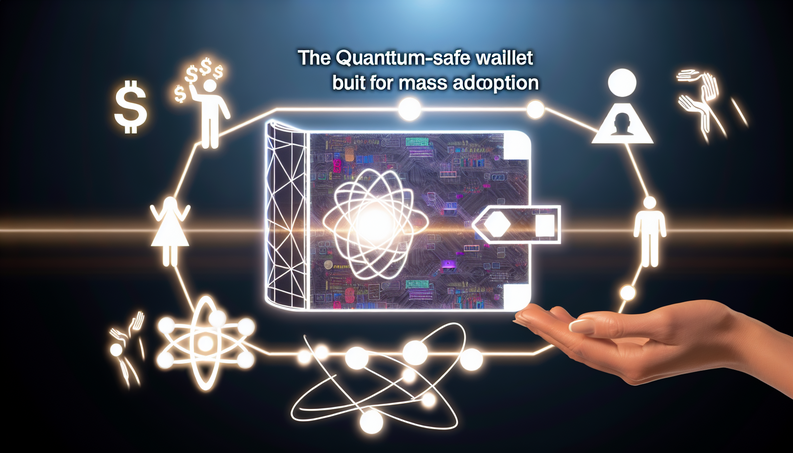
In the rapidly evolving digital asset landscape, BMIC has emerged as a pioneering force, bridging the gap between trading and spending in the face of quantum threats. Understanding BMIC’s approach to secure trading, staking, and spending is crucial for anyone aiming to future-proof their digital assets.
BMIC and Its Importance in Today’s Crypto Environment
The Blockchain Micro-Ion Compute (BMIC) ecosystem represents an innovative convergence of quantum computing, blockchain governance, and AI resource optimization. This synergy addresses the evolving demands of modern finance while mitigating threats posed by emerging quantum technologies. Central to BMIC’s mission is the development of robust tools that secure digital assets during a time marked by rapid technological change.
A cornerstone of BMIC’s offering is the quantum-resistant wallet. While traditional crypto wallets depend on classical cryptography, their protection is threatened by quantum algorithms like Shor’s algorithm, which could undermine existing key security. BMIC’s quantum-resistant wallet employs advanced cryptographic techniques designed to withstand quantum decryption, ensuring users retain full ownership and control over their assets.
Equally pivotal is BMIC’s decentralized governance model. In contrast to centralized financial systems, BMIC empowers its users to participate in decision-making via a transparent, community-driven framework. Integrating blockchain governance with quantum-resistant technologies enables users to manage assets with resilience against quantum disruptions. For further insight into the BMIC team and their expertise, see the BMIC team page.
BMIC not only responds to the imminent quantum threat but enables a new kind of financial paradigm. Enhanced security and an innovative governance structure give users the freedom to use their digital assets confidently for daily transactions, not just as speculative investments.
With a quantum-resistant wallet and decentralized governance, BMIC stands as an industry leader—advancing a secure and practical future for digital asset trading and spending.
The Quantum Threat: Why Traditional Systems are Vulnerable
How Quantum Algorithms Compromise Existing Security
As digital assets become integral to our financial systems, the vulnerabilities within traditional platforms grow increasingly apparent. Classical wallets rely on asymmetric cryptography—public and private keys—for asset security. However, quantum computers can execute algorithms exponentially faster than classical computers, making it feasible to break these protections. If quantum attacks become reality, the confidentiality of user assets could be swiftly compromised.
Risk Exposure in Storage and Verification
Most transaction verification systems use cryptographic algorithms such as RSA and ECC, which are fundamentally at risk from quantum decryption. Attackers might also “harvest” encrypted data now, waiting for quantum advancements to decrypt it later. Furthermore, cloud-based storage solutions, although convenient, consolidate sensitive data, making a tempting single point of failure for quantum-enabled breaches.
Need for Quantum-Resistant Solutions
Mitigating these vulnerabilities requires proactive design and adoption of quantum-resistant security. BMIC’s approach stands out here by embedding resilient cryptography into every layer of their ecosystem, ensuring assets remain protected even as quantum power grows more accessible. For industry context on quantum computing’s risks to cryptography, see the detailed report from the National Institute of Standards and Technology (NIST) on post-quantum cryptography.
Moving toward quantum-ready security models, such as those developed by BMIC, is essential for sustainable, secure asset management in the digital age.
BMIC’s Quantum-Resistant Technology: A Paradigm Shift
Innovations in Wallet Architecture and Security
BMIC introduces a paradigm shift with its quantum-resistant wallet architecture. Employing advanced, quantum-resistant algorithms, BMIC eliminates vulnerabilities found in traditional wallet security, offering users unmatched peace of mind in asset safeguarding.
- Multi-signature capabilities — Transactions require multiple private keys, distributed among trusted parties, enhancing resilience.
- Staking incentives — Users can lock up assets to secure the network and earn rewards, contributing to ecosystem health and governance.
Prepaid Card Module and Quantum Security-as-a-Service (QSaaS)
- Prepaid crypto card — Converts digital assets to fiat for real-world use, secured by quantum-resilient cryptography.
- Quantum Security-as-a-Service (QSaaS) — Businesses and organizations can leverage BMIC’s quantum-grade security without heavy infrastructure investments.
Sustainable Ecosystem Economics
- Deflationary burn model — Periodic asset burns increase scarcity and long-term value.
With these innovations, BMIC sets a new industry standard for secure, accessible, and quantum-resistant digital asset management. For more on the platform’s economic mechanisms, see the BMIC tokenomics overview.
Trading in the Quantum Era: How BMIC Enhances Security
Quantum-Resistant Wallet and AI Security Layer
In an era where trading security is paramount, BMIC equips users with a quantum-resistant wallet protected by advanced post-quantum cryptography. Users benefit from encryption designed explicitly to resist quantum decryption, permitting secure storage and trading of cryptocurrencies, NFTs, and more.
- All transactions utilize asymmetric keys engineered to withstand quantum attacks.
- Multi-signature transactions add further protection, particularly for institutional portfolios.
AI-Orchestrated Threat Detection
AI orchestration within the wallet continuously monitors transaction patterns, detecting and mitigating anomalies in real time. For example, the system can recognize phishing attempts or atypical transactions, notifying users instantly to prevent unauthorized asset movements.
BMIC’s approach empowers both individuals and institutions to engage confidently in the crypto market—democratizing access to advanced, quantum-ready security for a new financial era. Those interested in strategic developments should review BMIC’s forward-looking roadmap.
Staking Made Secure: Yield Generation Against Quantum Attacks
Post-Quantum Cryptography in Staking
BMIC revolutionizes staking by integrating post-quantum cryptography, defending user keys and assets against both present and future threats. Staking is accessible to all, regardless of technical background, as AI-driven resource optimization streamlines participation and yield maximization.
- Individual users can stake confidently, protected by PQC.
- Institutions benefit from transparent, quantum-ready validation processes that support regulatory compliance and operational integrity.
Community Engagement and Network Fortification
- Staked assets strengthen network security and stability.
- Transparent governance ensures fair and verifiable reward distribution.
BMIC’s secure staking not only encourages passive income generation but also establishes a foundation for long-term investment strategy and network resilience in the face of quantum innovation.
Seamless Spending: The Future of Crypto Payments with BMIC
The Prepaid Crypto Card Advantage
BMIC’s prepaid crypto card brings true convenience to spending digital assets. Users can easily convert cryptocurrencies to fiat and make everyday purchases at merchants that accept standard payment systems—all protected by blockchain-based verification.
Quantum-Resilient Security in Payments
Employing post-quantum cryptography, each transaction made via the prepaid card is rigorously secured against advanced quantum attacks. This ensures user financial data remains safe, building trust for direct crypto spending in real-world situations.
- Rewards and incentives — Earn crypto-based cashback for card use
- Instant asset swaps — Seamlessly change digital currencies at points of sale
BMIC’s innovation lowers barriers to crypto spending, driving broader adoption and making it easier for users to treat digital assets as practical tools, not just investments.
Governance and Community: The Role of Token Holders in BMIC
Decentralized Decision-Making for a Quantum Future
BMIC’s decentralized governance structure places decision-making power in the hands of token holders. On-chain voting lets community members propose and approve protocol upgrades, resource allocation, and technological integrations.
- Active participation — Token holders are central to the strategic evolution of BMIC.
- Transparency and trust — Open voting mechanisms keep the community aligned with BMIC’s long-term goals.
- Rapid response — Iterative governance allows for quick adaptation to quantum-related threats and opportunities.
Sustainable Community Growth
An equitable power structure mitigates centralization, strengthens the community bond, and supports a collaborative approach to digital asset management. BMIC’s governance model stands as a blueprint for inclusive, resilient blockchain leadership, vital for a secure, quantum-ready economy.
The Road Ahead: Future Developments and Opportunities
Upcoming Features and Integrations
BMIC is advancing a roadmap filled with new functions, tailored user experiences, and greater interoperability with the Web3 space. Forthcoming initiatives will further simplify asset management and elevate quantum-resistant security.
- User-friendly interfaces for both retail and institutional participants
- Expansion through strategic partnerships in DeFi and blockchain sectors
- Educational initiatives promoting understanding of quantum security and blockchain technology
Regulatory Engagement and Thought Leadership
BMIC is committed to collaborating with regulatory bodies to ensure innovation flourishes while users remain protected. Active knowledge-sharing prepares the entire community for a decentralized, quantum-secure digital economy.
As quantum technology progresses, BMIC’s proactive and visionary strategy will keep users, developers, and businesses at the forefront of secure asset utilization.
Conclusion
BMIC delivers an innovative and robust solution to quantum threats in the digital asset ecosystem. By encompassing secure trading, staking, and spending, BMIC leads the way in shaping a resilient, quantum-ready economic future. To learn more about BMIC’s economic model and future developments, explore the tokenomics and roadmap sections.
For continuous updates on BMIC’s journey toward a quantum-secure future, follow our project roadmap and join the community at BMIC.ai.
Written by David Morgan, Blockchain Analyst at BMIC.ai