BMIC Token: Staking, Wallet, and More
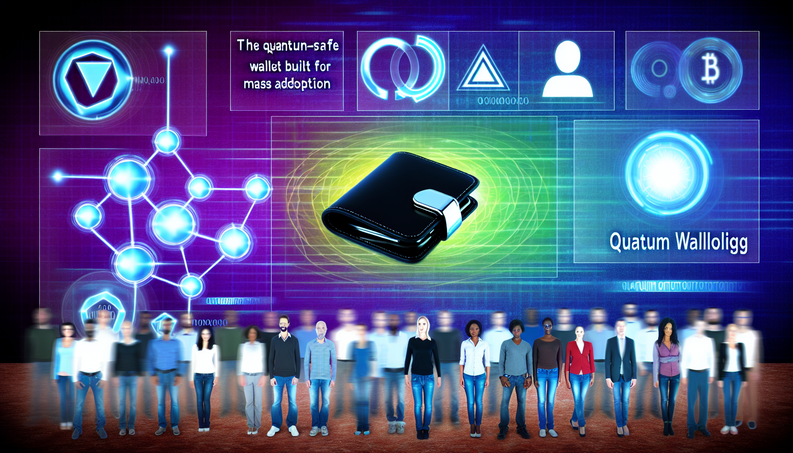
In an era where quantum computing threatens digital security, the BMIC Token emerges as a pivotal asset. This article explores BMIC’s staking mechanisms, quantum-resistant wallets, and innovative features that define a secure ecosystem—ensuring users can confidently navigate the future of digital finance.
Understanding BMIC Token
The BMIC Token is the foundation of the BMIC ecosystem, built specifically to enable a quantum-resistant future. As a digital asset merging blockchain and quantum computing principles, the BMIC Token offers multi-dimensional utility encompassing staking, governance, and payment capabilities.
Utility and Deflationary Design
Staking BMIC Tokens leverages their inherent deflationary properties and provides a defensive layer against vulnerabilities faced by current digital infrastructures. Central to BMIC’s mission of democratizing quantum computing, the token is engineered to address escalating cybersecurity concerns in the emerging age of quantum technology.
Users may securely lock BMIC Tokens within the decentralized network, shielding assets from malicious attacks and reinforcing the integrity of blockchain governance. The network enables token holders to actively participate in transparent, community-driven decision-making, including voting on ecosystem proposals.
The BMIC Token features a deflationary mechanism; a portion of transaction fees and rewards are periodically burned, reducing supply and helping to sustain long-term value. Strategic burn events further incentivize holding and participation, creating a resilient digital asset that appeals to investors and users alike.
BMIC also facilitates transactions across its ecosystem, including access to quantum computation and storage. With every transaction, stake, or governance action, token holders help advance BMIC’s vision of an accessible quantum future. This approach ensures user-driven growth and continuous value generation within the platform.
In summary, the BMIC Token provides robust support for a rapidly evolving digital environment. Its focus on security, economic innovation, and inclusive governance positions BMIC as a critical player—driving the decentralization and accessibility of quantum computing. To delve deeper into how tokenomics support its vision, see the BMIC tokenomics overview.
The Advantages of Staking BMIC Tokens
Staking Mechanics and Rewards
Staking BMIC tokens involves participants locking their tokens into a pool, earning rewards in return. By staking, users enhance network security and stability, supporting core functions such as governance and validation. This participatory approach ensures contributors are fairly compensated, while also protecting the ecosystem from quantum-related risks.
- Earn additional BMIC tokens or incentives as rewards
- Potential to receive a percentage of transaction fees
- Voting rights in governance decisions
- Longer staking periods yield greater rewards
These incentives motivate ongoing participation, build loyal communities, and drive long-term project growth.
Quantum-Safe Security Protocols
Security is paramount: BMIC staking utilizes quantum-resistant protocols that minimize vulnerability to advanced attacks. Unlike traditional models, BMIC deploys cryptographic techniques resilient to quantum computing, reassuring stakeholders that investments are protected as technology evolves.
Community Engagement and Governance
Staking also grants users a stake in governance, solidifying a decentralized model. Token holders influence key decisions, directly shaping BMIC’s future. The staking ecosystem isn’t just about financial gain—active participants help define community standards, governance mechanisms, and improvement proposals. This dynamic creates a network strengthened by collaboration and innovation.
In summary, BMIC staking merges financial rewards, robust security, and community-driven growth. Its use of quantum-safe protocols and inclusive governance empowers users and bolsters the network against new threats in the digital landscape.
Quantum-Resistant Wallet Technology
Post-Quantum Cryptography & User Experience
Protecting digital assets in the age of quantum computing demands forward-thinking solutions. BMIC’s wallets are built around post-quantum cryptography—advanced algorithms designed to withstand attacks from quantum computers, as supported by NIST’s quantum-resistant standards. This ensures user funds remain safe, even as computational threats evolve.
BMIC’s wallets also employ account abstraction, streamlining blockchain interactions while fortifying security. By using smart contract-based access rather than relying solely on private keys, users experience greater simplicity and reduced risk from common mistakes.
Advanced Security Features
- Multi-signature support for added transaction security
- Customizable access controls to define permissions
- Integration with staking for secure asset management
These innovations combine accessibility and stringent security, empowering the community to manage and utilize digital assets confidently.
Emphasizing user experience alongside protection, BMIC’s wallets set an industry benchmark—supporting staking and access to quantum workloads without sacrificing asset safety.
Exploring the Burn-to-Compute Model
Token Scarcity and Computation Power
The burn-to-compute model is a groundbreaking strategy that tightly links token scarcity to computing utility. By burning (permanently destroying) BMIC Tokens, users generate BMIC Compute Credits, which are essential for accessing quantum computational resources.
- Reduces token supply, potentially increasing value of remaining BMIC
- Directly ties demand for quantum computing to token economics
- Creates new incentives for users to engage with quantum resources
This mechanism transforms value exchange: users sacrifice tokens for valuable computation, fostering economic dynamism within the ecosystem.
Democratization and Ecosystem Growth
Traditionally, quantum computing has been inaccessible due to high cost and limited access. BMIC’s model removes barriers by allowing participants, from individuals to enterprises, to utilize quantum resources proportional to their tokens and willingness to burn for credits. This leads to inclusive growth and broader community involvement.
Integration with Security Innovations
The burn-to-compute framework works seamlessly with BMIC’s quantum-resistant wallets. This integration encourages best practices for secure asset management and highlights the need for resilient wallet technology—essential as users engage more deeply with BMIC’s financial and computational services.
In summary, burn-to-compute unites BMIC’s economic and technological innovations, advancing secure, accessible, and community-driven quantum computing.
The Vision for Quantum Security-as-a-Service
Enterprise-Ready Quantum-Resilient Solutions
As quantum computing threatens traditional security, organizations must prepare for unprecedented risks. BMIC’s Quantum Security-as-a-Service (QSaaS) enables seamless integration of quantum-resistant technology with minimal business disruption. Enterprises can adopt robust protocols tailored to their specific needs, even when complete system overhauls are impractical.
- Integrates quantum-safe encryption and blockchain governance
- Enhances security for financial, healthcare, supply chain, and e-commerce data
- Supports compliance and operational continuity
For example, a mid-sized financial institution could implement QSaaS to fortify transaction security and reassure stakeholders, while a healthcare provider can use quantum-resilient encryption for patient records without re-engineering core systems.
Broader Industry Impact
The benefits extend to any sector prioritizing data integrity—enabling scalable, cost-effective access to advanced cybersecurity. QSaaS also incorporates self-sovereign identity systems, empowering organizations and individuals to control digital identities with robust privacy and compliance.
BMIC’s service model ensures organizations can future-proof security, reinforce user trust, and support regulatory obligations—aligning with BMIC’s overarching mission of quantum democratization and blockchain-enhanced governance. To learn more about BMIC’s broader development plans, visit their public roadmap.
Navigating the Future of Payments with BMIC
Secure and User-Friendly Transactions
BMIC Token is a catalyst for secure, seamless payments in a rapidly changing digital economy. Through advanced wallet technology supporting hybrid signatures and quantum-safe protocols, BMIC offers intuitive asset management for individuals and enterprises.
- Hybrid signatures combine classical and quantum-resistant security
- Virtual and physical BMIC cards offer flexible transaction methods
- Heightened protection against emerging cyber threats
For instance, a user can purchase products online using a BMIC virtual card, benefiting from quantum-safe security and frictionless checkout. Meanwhile, the physical card appeals to those favoring traditional interactions, without risking security.
Enhancing Trust and Accessibility
Responsive customer support and a user-friendly wallet interface reinforce BMIC’s goal of democratizing quantum security. By making these technologies accessible, BMIC enables broader participation in the digital economy—empowering users to transact securely amidst evolving threats.
The widespread adoption of BMIC’s quantum-safe payment systems points to a paradigm where secure digital transactions become standard—building trust and fostering a more inclusive financial ecosystem. To see the dedicated team behind these innovations, visit the BMIC team page.
BMIC’s Contribution to the Quantum Era
Empowering Users with Secure Staking and Wallets
BMIC’s mission to democratize quantum computing is evident in its secure payment, staking, and wallet solutions. The BMIC Token empowers users to actively participate, govern, and benefit from quantum advancements.
- Staking offers flexible options matching user preferences, enabling rewards and network participation
- Multi-wallet system provides robust quantum-resistant security and efficient asset management
- Smart contract-enabled wallets support advanced transaction tracking and market analytics
Decentralized Governance and Future-Proof Design
Community members have a direct voice in platform evolution through transparent, inclusive governance protocols. These structures are vital in adapting to disruptions and ensuring resilience as quantum technology matures.
The comprehensive approach—merging secure staking, advanced wallet technology, and decentralized governance—cements BMIC’s role as a leader in quantum-era digital finance.
Engaging with BMIC’s ecosystem allows users to stay at the forefront of technological progress, contribute to a resilient financial network, and position themselves for the opportunities quantum computing will bring.
Conclusions
In conclusion, the BMIC Token leads the way in developing a quantum-resistant landscape for digital finance. Its advanced staking, wallet technologies, and innovative burn-to-compute model collectively secure assets and propel the integration of quantum computing with blockchain. Embracing these solutions positions users to confront emerging digital threats with confidence. For more about BMIC’s mission and future innovations, explore their official roadmap.
Written by Daniel Carter, Crypto Strategy Lead at BMIC.ai