BMIC: Where Quantum Security Meets DeFi
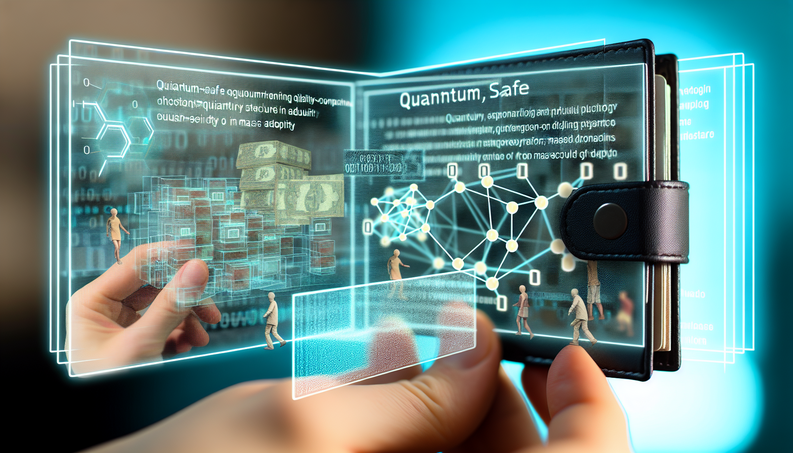
In a world where quantum computing threatens traditional security measures, BMIC is at the forefront, delivering a quantum-resistant wallet and Quantum Security-as-a-Service (QSaaS). This article explores how BMIC’s groundbreaking technology is reshaping decentralized finance (DeFi) to ensure robust protection against quantum threats.
Understanding Quantum Threats in Digital Finance
The rise of quantum computing marks a seismic shift in digital security, particularly within finance. Unlike classical computers, quantum systems use principles like superposition and entanglement to solve complex problems at unprecedented speeds. While this promises breakthroughs in fields such as cryptography, it also presents major risks to digital security standards.
Widely used cryptographic algorithms, such as RSA and ECDSA, underpin blockchain technology and digital wallets. However, quantum algorithms like Shor’s algorithm could efficiently break these methods, exposing blockchains and digital assets to exploitation. As quantum computing capabilities accelerate, any assets protected by traditional algorithms could become vulnerable.
Potential Quantum Attack Scenarios
- Harvest Now, Decrypt Later: Adversaries intercept and store encrypted data today, planning to decrypt it when quantum tools mature.
- Nation-state actors may develop quantum capabilities to target critical financial infrastructure, creating broad systemic risk even before full-scale quantum computers exist.
While these events remain largely theoretical today, the rapid progress of quantum research suggests we may have limited time to prepare. BMIC addresses these risks directly, championing proactive quantum-resistant solutions in DeFi. By leveraging advanced computation and AI-driven security optimization, BMIC aims to reinforce digital finance against quantum-era threats. The platform also embraces blockchain governance, ensuring transparency, stakeholder alignment, and democratized access to quantum computing power.
The BMIC Ecosystem Explained
Overview of BMIC Components
BMIC (Blockchain Micro-Ion Compute) leads efforts to democratize access to quantum computing, a resource still largely controlled by major tech corporations. Its mission is to deliver quantum-resistant solutions to safeguard the digital financial ecosystem against mounting quantum security threats.
- BMIC Wallet: A non-custodial, quantum-resistant wallet safeguarding user assets and private keys with advanced cryptography.
- Quantum Security-as-a-Service (QSaaS): Real-time threat assessments and transaction validation to counteract quantum-based attacks.
- Quantum Meta-cloud: Decentralized, quantum-encrypted storage spreads data across multiple nodes, protecting against breaches and unauthorized access.
These components interconnect seamlessly: the wallet integrates with QSaaS for secure transactions, and the meta-cloud offers a robust foundation for secure, distributed data management. Together, they form a comprehensive security architecture, enhancing accessibility and resilience for all users.
Core Technologies Driving BMIC
- Post-Quantum Cryptography (PQC): Ensures resilience against quantum decryption with next-generation cryptographic algorithms — a necessity as existing standards become vulnerable.
- Artificial Intelligence: AI algorithms offer adaptive learning, continuously assessing and responding to emerging threats, and bolstering the integrity of security protocols.
The integration of PQC and AI enables a dynamic, anticipatory approach to security, making BMIC’s ecosystem not only innovative but also durable against rapidly evolving quantum challenges. For more on the team behind these innovations, visit BMIC’s team page.
BMIC’s Quantum-Resistant Wallet
Architecture and Security Advantages
BMIC’s Quantum-Resistant Wallet is pivotal for protecting user assets and identities in a decentralized ecosystem, addressing threats from future quantum advancements. Its non-custodial structure empowers full user control over private keys, reinforced by post-quantum cryptography.
- Advanced Quantum-Resistant Algorithms: Safeguard transactions and data against quantum adversaries.
- Reduced Third-Party Risk: By eliminating custodians, users minimize vulnerabilities historically exploited by hackers.
- Resilient Key Construction: Private keys benefit from quantum-resistant techniques, offering superior protection compared to conventional wallets.
User Experience and Continuous Security
The wallet is crafted for usability without sacrificing security. A simplified interface caters to all users, from beginners to experienced traders. Intuitive onboarding educates users on quantum-proof tools, and seamless integration means AI-driven behavior analysis monitors for fraud or unusual activity in real time. Alerts enable early action, and ongoing synchronization with the BMIC meta-cloud keeps protection updated against new threats.
By integrating advanced security and an accessible design, BMIC’s wallet sets a new standard for digital asset safety and helps foster broader trust in quantum-resistant decentralized finance. For a detailed look at how this fits within BMIC’s broader goals, reference the BMIC tokenomics page.
Decentralized Quantum Compute with BMIC
The Quantum Meta-Cloud Concept
BMIC’s quantum meta-cloud transforms quantum computing from an exclusive resource into a globally accessible platform. Merging quantum resources with blockchain governance, it provides a flexible, secure, and decentralized environment for a wide range of users, from individuals to enterprises. There is no need for specialized hardware investments — users harness quantum computing’s benefits directly via BMIC’s infrastructure.
Vendor-Agnostic and Flexible Computing
- Freedom to select quantum resources from multiple providers, avoiding vendor lock-in.
- Easy switching enables organizations to always leverage the latest and best-suited quantum technologies.
- Decentralization minimizes single points of failure, aiding both security and strategic innovation.
AI-Driven Optimization and Security
Artificial intelligence orchestrates workload allocation, optimizes quantum circuits, and dynamically manages resources across decentralized locations. AI also strengthens security by monitoring and adapting in real time to evolving threats, making BMIC’s quantum meta-cloud both highly efficient and extraordinarily resilient — crucial within the fast-changing DeFi environment.
Tokenomics and Incentives of BMIC
Utility and Ecosystem Participation
The BMIC token serves as the operational core of the ecosystem. Its primary roles include:
- Enabling payments for quantum computing services within BMIC’s decentralized infrastructure
- Acting as a reward for participants engaged in activities like staking and resource sharing
- Facilitating ecosystem-wide engagement and incentivizing usage of quantum-secure tools
Staking, Governance, and Value Creation
- Staking: Users support platform operations and security, earning rewards or governance rights in return.
- Governance: Token holders propose and vote on platform developments, ensuring growth aligns with the community’s collective interest.
- Deflationary Mechanics: A burn-to-compute model and periodic token burns promote long-term value by reducing supply as demand rises.
These incentives not only encourage sustained involvement but also support a decentralized, secure environment. To discover more about the BMIC token’s structure and planned economic model, explore the BMIC tokenomics section.
Best Practices for Quantum-Secure Financial Management
Actionable Steps for Personal Security
- Upgrade to Post-Quantum Cryptography (PQC): Use wallets that support quantum-resistant algorithms to shield assets as quantum advancements emerge.
- Implement Multi-Signature Authentication: Require multiple transaction approvals for enhanced security against unauthorized access.
- Keep Wallet Software Updated: Regular updates provide critical protections against evolving vulnerabilities.
- Safeguard Recovery Phrases Offline: Store recovery phrases/keys securely offline to prevent exposure to breaches.
Staking and Yield Farming in a Quantum-Resistant Ecosystem
- Diversify staking activities across platforms with verified quantum-resistant protocols.
- Use automated monitoring tools to stay alert to security status and potential risks.
Enterprise Integration with QSaaS
For businesses, integrating BMIC’s QSaaS API is a strategic move toward quantum security without disruptive overhauls. This allows rapid deployment of advanced quantum-resistant defenses across transactions and data operations, future-proofing financial infrastructure against quantum threats. For milestones and product deployment timelines, review the BMIC roadmap.
Adopting these best practices in both personal and organizational contexts is vital for building a resilient ecosystem capable of defending against quantum challenges.
The Future of DeFi in the Quantum Age
Emerging Trends and Challenges
The quantum revolution promises sweeping transformation for DeFi. As quantum computers become more accessible, platforms like BMIC pave the way for scalable, democratized quantum resources. This evolution will boost transaction speed, spur DeFi innovation, and introduce sophisticated financial instruments powered by quantum algorithms.
Balancing Innovation and Security
However, quantum advancements also introduce security risks, such as quantum attacks that threaten the foundations of current blockchain encryption. The DeFi community must proactively adopt quantum-resistant strategies, continuously adapting security to counter both present and future vulnerabilities.
BMIC’s integrated hardware, AI resource optimization, and QSaaS model give smart contract and dApp developers powerful tools to build secure, quantum-proof solutions with minimal workflow disruption. By emphasizing decentralized governance and open dialogue, BMIC fosters a security-centric culture and increases resilience across the finance industry.
For developers and organizations, aligning evolving financial innovation with cutting-edge security is essential. By preparing for quantum threats today, DeFi can continue to thrive and offer both enhanced utility and confidence to users around the world.
Conclusions
As quantum computing matures, the imperative for robust digital asset security intensifies. BMIC’s technology offers a crucial framework for safeguarding assets and ensuring that DeFi’s evolution remains secure and resilient against quantum-era threats. For a deeper understanding of BMIC’s upcoming developments, visit the BMIC roadmap.
To explore how BMIC is shaping the next generation of secure, decentralized finance, meet the innovators behind the project at bmic.ai/team.
Written by Thomas Bennett, Blockchain Analyst at BMIC.ai