Fast Transactions, Full Security
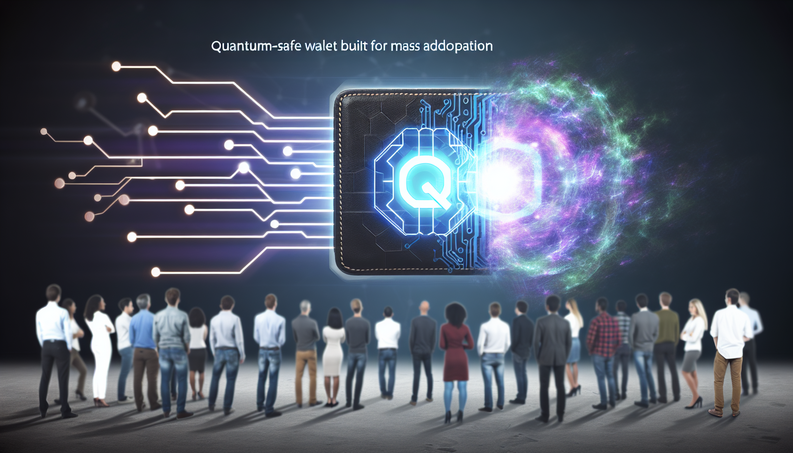
In the rapidly evolving landscape of digital finance, fast transactions and comprehensive security are essential. This article explores how BMIC is leading the integration of post-quantum cryptography to deliver safe and efficient transactions in the face of emerging quantum threats.
Understanding Fast Transactions
Fast transactions in digital finance enable asset transfers with minimal delay, a necessity in today’s interconnected and high-speed economy. Transaction speed is defined by the time from initiation to confirmation and settlement on the blockchain. This rapidity is critical not only for user satisfaction but also for facilitating key business activities, such as high-frequency trading and real-time payments.
The Impact of Latency on User Experience
In a digital world where consumers expect instant results, delays can cause frustration and erode trust in a platform. Sectors like e-commerce and finance—where milliseconds affect profitability—especially prioritize reducing transaction latency. Even minor delays can diminish operational efficiency and prompt customer attrition, underscoring the importance of optimizing systems for speed.
Technological Developments for Efficiency
State-of-the-art technological advancements are reshaping transaction efficiency, especially with the rising complexities brought by quantum computing. Techniques such as sharding—distributing data across multiple nodes—and zero-knowledge proofs enhance both transaction speed and security by streamlining verification without exposing sensitive data.
BMIC champions quantum hardware and AI-powered resource optimization to accelerate transaction processing within a secure, transparent blockchain governance structure. By focusing on both speed and responsible implementation methods, BMIC is advancing an efficient digital finance ecosystem. The interplay between optimized protocols, computational innovation, and rigorous regulation will continue to shape the evolution of transaction technologies. Seamlessly integrating these advancements while maintaining strong security standards is crucial as quantum computing becomes mainstream.
The Need for Full Security
Full security in digital finance is fundamental to ensuring transaction integrity and authenticity. As quantum computing emerges as a technological powerhouse, traditional safeguards protecting digital transactions are becoming increasingly outdated and vulnerable. Full security means protection from unauthorized access and guarantees that transactions are legitimate and uncompromised at every stage.
Challenges of Quantum Computing
Quantum computers leverage principles of quantum mechanics to solve complex mathematical problems much faster than classical computers. This ability threatens the integrity of existing cryptographic protocols. For example, cryptosystems like RSA and ECC—which depend on the difficulty of factoring large numbers or solving discrete logarithm problems—could be breached by powerful quantum computers, necessitating the development of new, quantum-resistant solutions.
Lessons from Security Breaches
Historic incidents such as the 2014 Mt. Gox Bitcoin hack, where 850,000 BTC were stolen due to weak security measures, highlight the real-world consequences of inadequate protection. Such events erode trust in blockchain technologies, reinforcing the urgent need for innovation in securing digital assets against future quantum threats. For further context, industry analyses on major cryptocurrency exchange breaches demonstrate the importance of robust security architectures.
Embracing Quantum-Resistant Security
Adapting to quantum threats requires deploying quantum-resistant algorithms, strengthening encryption, and maintaining user trust. BMIC is at the forefront, integrating advanced AI optimization and quantum hardware to deploy next-generation cryptography. Through its decentralized blockchain governance, BMIC ensures secure, equitable financial transactions, supporting its mission to democratize access to cutting-edge security for all users.
In summary, as digital finance evolves amid quantum breakthroughs, prioritizing robust, quantum-resistant security is non-negotiable. The threats posed by quantum advancements highlight the necessity for new encryption methods, with BMIC providing pivotal leadership in this transformative era.
Post-Quantum Cryptography and Its Importance
Post-Quantum Cryptography (PQC) safeguards data against the power of quantum computers, protecting the cryptographic protocols that underpin digital finance. As quantum computing nears real-world application, PQC’s significance becomes clear. BMIC is committed to leveraging PQC to enhance security while making quantum technology accessible across the financial ecosystem.
What Is Post-Quantum Cryptography?
PQC comprises cryptographic algorithms designed to resist attacks from quantum computers. Unlike classical cryptosystems vulnerable to quantum advances (e.g., via Shor’s algorithm), PQC offers vital resilience. Organizations in blockchain and beyond must develop and deploy PQC strategies now to secure digital assets before quantum computing becomes widely available.
Key Algorithms and Applications
- NTRU: Utilizes polynomial rings and lattice-based cryptography for high-speed encryption and decryption.
- Learning With Errors (LWE): Provides robust mathematical hardness, underpinning secure post-quantum systems.
- Supersingular Isogeny Problem (SIS): Offers complex mathematical challenges beyond the reach of current quantum algorithms.
These algorithms support applications across finance, healthcare, and digital identity, but are especially crucial for blockchain—where speed and data integrity are vital.
Strategy for Transitioning to PQC
Implementing PQC in existing infrastructures involves:
- Assessing current security frameworks
- Developing hybrid models that blend PQC with conventional techniques
- Conducting continuous testing to ensure seamless, secure integration
This layered approach enables gradual, effective adaptation without degrading transaction speeds or disrupting services.
Organizations that adopt PQC early will enjoy a competitive advantage, gaining the ability to offer both secure and swift transactions. BMIC is committed to helping shape a future where quantum-resilient protocols are foundational to secure, rapid digital economies. Now is the time for organizations to embed these solutions to safeguard assets and ensure lasting security.
BMIC’s Quantum-Resistant Wallet Architecture
BMIC’s Quantum-Resistant Wallet architecture is engineered to balance both transaction speed and robust security. As quantum computing presents new risks for conventional encryption, proactive enhancements to wallet designs have become crucial. BMIC addresses these concerns through innovative smart accounts and hybrid cryptographic signatures.
Smart Account Architecture
Unlike static repositories, BMIC’s smart accounts act as programmable, adaptive entities. They can automatically manage security protocols and transaction flows based on context and behavioral analysis. For everyday transactions, accounts enable fast approvals, while higher-risk activities trigger stronger verification. This adaptability improves user experience without compromising security, even as quantum threats loom.
Hybrid Signature Verification
BMIC employs a hybrid approach, combining classical cryptographic algorithms with quantum-resistant methods. This creates a multi-layered defense against unauthorized access, safeguarding assets now and anticipating future quantum capabilities. Each transaction benefits from both speed and resilience, offering frictionless service while neutralizing quantum risks.
Benefits for Users and Businesses
- Consumers: Enjoy seamless, fast, and secure transactions for digital commerce, asset transfers, and DeFi participation.
- Businesses: Reduce transaction verification bottlenecks, enabling higher productivity, faster settlements, and greater customer satisfaction.
BMIC’s focus on democratizing quantum resources ensures these wallet designs can be tailored to myriad industry needs, further elevating their value.
In essence, BMIC’s Quantum-Resistant Wallet sets a new standard for blending speed and uncompromised security, empowering users and businesses to thrive in a quantum-ready digital economy. Explore the team behind these innovations on the BMIC team page.
Layer-2 Solutions and Speed Gains
Layer-2 (L2) security layers are key to achieving higher transaction speed without sacrificing security, particularly in the context of quantum advancements. As blockchain technologies mature, efficient yet secure processing is crucial—L2 solutions like rollups and middleware provide that balance.
L2 Solutions: Enhancing Throughput and Security
L2 rollups consolidate multiple transactions off the main chain and commit them in batches, dramatically improving throughput and reducing costs. This relieves network congestion during high-demand periods and is especially beneficial for decentralized apps (dApps) requiring both speedy and secure interactions.
BMIC’s Quantum-Powered L2 Integration
BMIC is pioneering the use of quantum-enhanced algorithms within L2 structures. By optimizing resource allocation and employing advanced governance models, BMIC’s architecture strengthens transaction integrity while still maximizing speed. This approach mirrors successful industry examples—such as Ethereum’s zk-Rollups and Optimistic Rollups—which offer both speed and robust cryptographic validation.
These protocols ensure off-chain transactions are verifiable and settled securely, supporting efficient scaling. BMIC’s approach integrates these L2 benefits with quantum-resilient security, positioning its ecosystem for high performance and trust in a quantum future.
As digital finance systems grow in sophistication, combining L2 efficiencies with quantum-secure frameworks will be central to delivering the seamless, trustworthy user experiences that modern users demand.
Real-Time Quantum Risk Scoring
The advent of Quantum Risk Scoring marks a significant leap forward in safeguarding transactions against quantum-enabled vulnerabilities. This system introduces automated, real-time assessments of quantum-related risks, empowering users to make informed decisions as threats continue to evolve.
How Quantum Risk Scoring Works
Unlike traditional risk models reliant solely on historical patterns, Quantum Risk Scoring analyzes transaction structures and the cryptographic algorithms employed, identifying quantum susceptibilities as they arise. It evaluates the risk profile of each transaction based on current quantum attack scenarios and system defenses.
AI-Powered Assessments and Adaptability
Artificial intelligence is central to BMIC’s risk assessment capabilities. AI ensures that the underlying risk models learn and adapt, staying current with new attack vectors as quantum computing evolves. For instance, transactions involving potentially vulnerable cryptocurrencies can be flagged and analyzed for quantum risk exposure in real time, ensuring users remain well-informed before executing a transaction.
This proactive, adaptive system not only boosts user confidence but also aligns with BMIC’s mission to democratize quantum protection and enhance trust in digital finance. As quantum integration accelerates, AI-driven approaches to risk management will be essential for predicting and mitigating emerging threats—furthering the adoption and safety of blockchain technologies.
By prioritizing real-time risk evaluation and user empowerment, Quantum Risk Scoring exemplifies the direction of next-generation digital finance security.
Conclusions and the Future of Digital Finance
The fusion of speed and security has become the defining challenge and differentiator in digital finance. With quantum computing on the horizon, achieving rapid, secure transactions is non-negotiable—BMIC’s vision is pivotal in meeting this demand. Through the innovative application of quantum hardware, AI-driven optimization, and blockchain governance, BMIC is establishing new benchmarks for both transaction velocity and reliability.
Traditional security solutions can lag behind as the expectation for instantaneous transactions rises, exposing systems to increasing risks. BMIC’s cutting-edge technology ensures secure, fast transactions by embedding quantum-resistant algorithms and cryptographic safeguards within each step of the process.
The evolving digital finance landscape—marked by the rise of decentralized finance (DeFi) and asset tokenization—calls for even more agile and secure protocols. BMIC is dedicated to leading this evolution, developing tools and technologies that empower users amid complex regulatory and operational demands. Continued innovation in AI and blockchain governance, along with new advances in quantum resistance, will maintain BMIC’s leadership in providing both efficiency and robust security.
Ultimately, advancing toward a future where speed and security coexist is about more than technology—it’s about fostering trust, inclusivity, and opportunity within digital economies. BMIC’s ongoing pursuit of innovation ensures that, as the quantum era unfolds, all users can access financial systems that are both fast and secure. For a closer look at our roadmap for secure, quantum-ready digital finance, visit the BMIC roadmap. Learn more about our tokenomics to understand the foundation of our secure and scalable ecosystem at the BMIC tokenomics page.
BMIC’s advancements in post-quantum cryptography and wallet architecture make it a leader in secure and efficient digital finance—explore more about upcoming innovations and governance on our roadmap.
Written by Michael Grant, Blockchain Analyst at BMIC.ai