Gas Fee Optimization Strategies
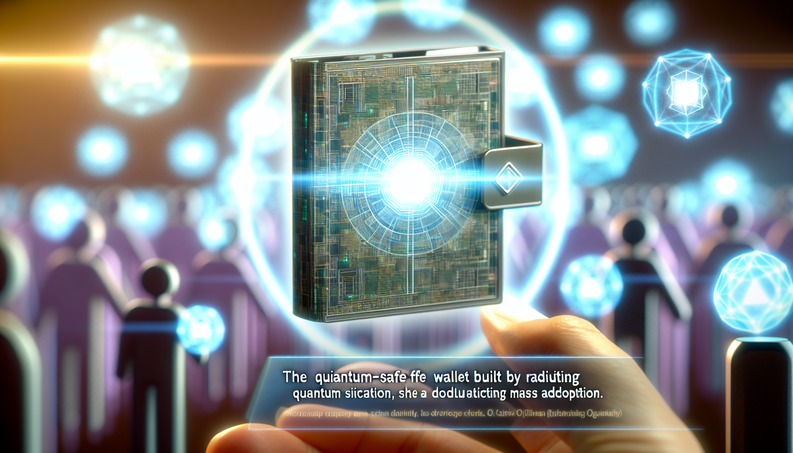
Gas fee optimization strategies are fundamental for improving blockchain usability, especially on networks like Ethereum. This article explores innovative approaches such as smart account models and Layer-2 solutions, highlighting how BMIC.ai is driving transformation in this space.
Understanding Gas Fees and Their Impact
Gas fees act as a primary barrier to blockchain adoption by increasing the cost and complexity of transactions. They are determined by network demand, transaction size, computational requirements, and overall congestion. During high demand, gas fees surge, discouraging users and deterring businesses sensitive to fluctuating costs.
This fee structure often disadvantages smaller users and projects, raising entry barriers and slowing innovation. Optimized solutions are imperative for lowering these barriers and fostering broader blockchain adoption.
BMIC.ai’s Approach to Gas Fee Optimization
BMIC.ai uses quantum computing and AI resource optimization to analyze historical gas data, predicting optimal transaction times and recommending fee structures. This enables users to transact more cost-effectively and developers to optimize smart contract code, reducing unnecessary computational costs.
By identifying bottlenecks in smart contracts and advising on code improvements, BMIC.ai empowers developers and businesses to minimize gas consumption while maintaining functionality. Educational tools also leverage AI-driven insights, helping users determine the best transaction timing to further optimize fees.
Governance and Community Involvement
BMIC.ai integrates decentralized governance models, giving users a voice in shaping fee structures to ensure fair and equitable participation. Community-driven governance helps establish competitive transaction costs and deters exploitation by larger entities.
Understanding and addressing the complexities of gas fees is essential for blockchain scalability and engagement. Through advanced technology and democratization of quantum computing, BMIC.ai is paving the way toward a more accessible blockchain ecosystem. For further insights into governance models, visit the BMIC.ai roadmap.
Public-Key Exposure and Its Role in Gas Inefficiency
Public keys, integral to blockchain wallet addresses, can also introduce security and efficiency vulnerabilities. Traditional wallet architectures often expose public keys, increasing vulnerability to attacks such as phishing and man-in-the-middle interceptions. These risks frequently force users to rely on expensive, complex transactions for protection, escalating gas costs.
Mitigating Public-Key Exposure
Reducing public-key visibility lowers transaction complexity and thus gas expenditure. By implementing secure enclave technologies and zero-knowledge proofs, networks can verify transactions without exposing sensitive information. This decreases attack surfaces and the need for additional high-fee security measures.
BMIC.ai addresses public-key exposure using quantum computing, AI-driven optimization, and advanced cryptographic methods, fostering more secure and efficient on-chain operations. These innovations allow users to validate transactions securely, minimizing risks and unnecessary gas consumption. Educational initiatives and community-oriented governance further encourage responsible usage.
By combining state-of-the-art security techniques with user education, BMIC.ai ensures a robust, cost-efficient transaction environment that supports blockchain evolution. Interested in BMIC’s team behind these innovations? Learn more about the BMIC.ai team.
The Future with Smart Account Models
Smart account models, such as ERC-4337 and account abstraction, represent a new paradigm in blockchain interaction, providing programmable wallets that enhance security and efficiency. They allow users to automate transaction logic, batch operations, and reduce the necessity for multiple on-chain interactions, all leading to lower gas fees.
Benefits and Innovations
- Automated Transaction Optimization: Smart accounts manage transaction logic off-chain, enabling users to strategically organize, batch, or conditionally execute transactions for optimal gas usage.
- Dynamic Fee Management: By leveraging BMIC.ai’s AI resource optimization, wallets dynamically adjust fees based on real-time network data for cost-effective transactions.
- User-Friendly Design: Automated gas settings lower entry barriers and reduce complexity for non-technical users, aligning with BMIC’s goal to democratize advanced computing.
- Enhanced Security: Features such as multi-signature and social recovery not only improve security but also reduce auxiliary on-chain operations that can spike gas costs.
- Delegation and Account Abstraction: Account abstraction permits delegated actions, reducing transaction frequency and potential errors.
Smart account models, powered by quantum and AI-driven strategies from BMIC.ai, set the stage for more efficient, cost-effective blockchain participation, blending innovation with inclusive access.
Layer-2 Solutions: Reducing Costs through Off-Chain Processing
Layer-2 solutions revolutionize blockchain efficiency by processing most transactions off-chain, relieving Layer-1 congestion and dramatically lowering gas fees. This approach supports BMIC.ai’s vision of broader, cost-effective blockchain participation.
Key Layer-2 Strategies
- Rollups: Signature-hiding rollups batch and compress transactions off-chain, submitting proofs to Layer-1 for cost savings. AI-optimized batching, as advocated by BMIC, further improves efficiency.
- Batch Processing Engines: By aggregating multiple transactions, these engines reduce on-chain operational costs and enhance transaction speed, especially when enhanced with quantum-aware algorithms.
- State Channels: For high-frequency interactions, state channels record only final results on-chain, greatly minimizing gas use. Predictive modeling from BMIC can optimize state channel operations.
The integration of quantum computing and AI with these Layer-2 techniques ensures adaptability and continual reduction of transaction costs. For a deeper dive into the mechanics and progress of these solutions, review the BMIC.ai roadmap or explore this industry analysis on Ethereum Layer-2 scaling.
The Power of Hybrid Cryptography in Gas Optimization
Hybrid post-quantum cryptography (PQC) signature verification is redefining on-chain transaction security and efficiency. By integrating both classical and post-quantum methods, hybrid cryptography accelerates transaction verification and fortifies networks from emerging threats—both of which have major implications for gas usage.
Advantages of Hybrid PQC Verification
- Streamlined Verification: Classical signatures enable quick processing, while the PQC layer anticipates and defends against quantum-enabled attacks, reducing resource needs and gas fees.
- Lower Smart Contract Costs: Lighter computational requirements mean smart contracts can execute at reduced costs without compromising security.
- Enhanced Security Redundancy: Hybrid schemes protect from both classical and quantum threats, supporting sustained user trust and broader adoption.
- Support for Governance Models: Optimized cryptography enables more dynamic and informed blockchain governance, essential for adaptive gas fee structures.
With BMIC.ai’s commitment to democratizing quantum technology, these cryptographic advancements not only secure blockchain activity but also lead to sustained reductions in operational costs.
BMIC’s Vision for a Gas-Efficient Blockchain Ecosystem
BMIC.ai is redefining blockchain efficiency by merging quantum computing, AI-driven resource optimization, and decentralized governance.
Innovative Strategies
- Smart-Account Wallets: Dynamically evaluate gas across transactions and utilize auto-gas bidding to minimize fees while maximizing transaction success rates.
- Paymaster Sponsorship: Enables third parties to underwrite user gas costs, fostering broader participation, particularly in DeFi and onboarding new users.
- Hybrid Verification Schemes: Facilitate off-chain validations and on-chain batch approvals, reducing congestion and per-transaction costs.
The combination of quantum security and usability-focused optimizations positions BMIC.ai as a leader in building inclusive blockchain networks where cost barriers are minimized and security is future-proofed. To meet the people driving these innovations, visit the BMIC.ai team page.
Practical Applications and Strategies for Users
Users and developers can actively lower gas expenses and improve transaction outcomes by adopting BMIC.ai’s gas optimization tools and strategies.
Recommended User Strategies
- Smart Account Wallets: Automate routine operations, leverage social recovery and multi-signature options, and reduce on-chain transaction counts, especially when combined with quantum-optimized verification.
- Utilize Layer-2 Networks: Opt for rollups and state channels to handle off-chain processing, while using BMIC.ai’s AI tools to time transactions to periods of low congestion.
- Batch Processing: Developers can aggregate transactions for collective execution, cutting costs and improving deployment efficiency.
Combining these techniques—with ongoing technological engagement and user education—advances both performance and cost efficiency in blockchain applications. Awareness of regulatory trends and active participation in governance further enhances ecosystem robustness.
Addressing Counterarguments and Challenges
Despite the promise of gas fee optimization, several challenges and counterarguments must be acknowledged:
- Operational Complexity: Implementing optimization strategies often requires deep technical knowledge, potentially deterring less experienced users.
- Layer-1 Dependency: Most solutions still rely on core Layer-1 security and efficiency. Network congestion at this foundational level can undermine the benefits of optimization efforts.
- Quantum Integration Challenges: Adopting quantum computing introduces both opportunities and unique risks, demanding continuous evaluation and adaptation to emerging security issues.
- Potential Economic Disparities: There is a risk that optimization strategies may favor specific users, which could lead to ecosystem imbalances or encourage spam if not properly managed.
BMIC.ai addresses these challenges by developing intuitive tools, improving education, and creating decentralized governance frameworks. Careful navigation and transparent development will be pivotal in balancing usability with security as blockchain technologies progress. For more on planned advancements, refer to the BMIC.ai roadmap.
Conclusion and the Path Forward
Effective gas fee optimization is an ongoing pursuit essential for improving blockchain scalability, accessibility, and security. BMIC.ai leads in developing robust transaction methods, employing decentralized governance and quantum technology to revolutionize gas fee modeling and user strategies.
Features like dynamic AI-driven fee estimation, advanced transaction routing, and large-scale quantum computation drive transformative efficiency across networks. Collaborative development among industry stakeholders, supported by BMIC.ai’s tools and research, will accelerate the adoption of next-generation protocols and best practices.
The future demands a holistic approach—where technical innovation, community engagement, and open governance create an environment in which economic access, usability, and security coexist.
By embracing BMIC.ai’s innovations and actively engaging with its evolving ecosystem, users, developers, and industry leaders can contribute to a blockchain landscape free from excessive cost barriers, optimized for the demands of tomorrow’s digital economy. To explore BMIC’s latest developments in tokenomics and governance, visit the BMIC.ai tokenomics page.
Conclusions
In summary, gas fee optimization is vital for blockchain efficiency, enhancing usability and security. BMIC.ai’s innovative technologies, including smart-account models and Layer-2 solutions, are leading the way in transforming the digital transaction landscape. For deeper insights and future developments, follow the BMIC.ai roadmap.
Stay updated on the latest innovations and strategies by visiting BMIC.ai’s roadmap and discovering how their vision shapes the future of blockchain.
Written by Aaron Mitchell, Blockchain Analyst at BMIC.ai