In-App Browser Security Features
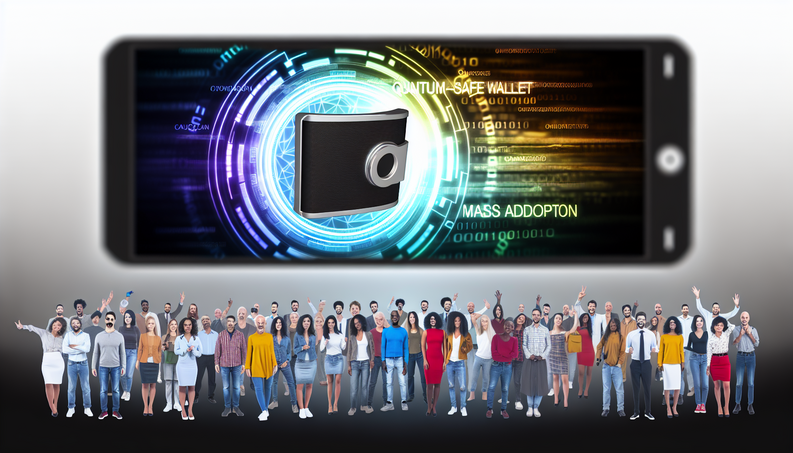
In-app browser security features are crucial in today’s digital landscape, especially with the imminent quantum threat. This article explores how quantum-resistant measures from BMIC can safeguard in-app browsers, offering insights into advanced security architectures and technologies.
Understanding In-App Browsers
In-app browsers are vital components of mobile applications, enabling seamless web browsing without leaving the app’s interface. Unlike traditional web browsers that require app switching, in-app browsers keep users engaged within the app ecosystem, streamlining the experience—particularly valuable for mobile users.
Developers use in-app browsers to display web pages, forms, and authentication screens while maintaining the app’s branding and context. This integration supports custom navigation, shared user credentials, and tailored interactions that foster a cohesive, branded user experience. For example, an e-commerce app can present product information or payment processing without users leaving their shopping flow.
Key advantages of in-app browsers include:
- Enhanced user engagement through reduced friction—users access content without switching apps.
- Ability to leverage the app’s underlying features, like session persistence and remembering preferences, which can be challenging with external browsers.
- Customizable browsing experiences to match the app’s look and feel, reinforcing brand identity.
Real-world applications are widespread. Social media platforms let users view links and media through in-app browsers, increasing time spent on the platform. Financial services apps use in-app browsers for secure transactions and integrated authentication, keeping users in-app. Travel and transportation apps employ in-app browsers for bookings and reservations, giving users a unified experience for viewing and confirming details.
In the context of BMIC, the advent of quantum computing demands enhanced in-app browser security. Quantum computing presents new challenges that require advanced security protocols. By integrating quantum-resistant solutions, AI-driven resource optimization, and blockchain governance—such as the transparent protocols detailed on the BMIC roadmap—BMIC aims to democratize access to cutting-edge technologies. This empowers developers to implement robust, future-ready security for in-app browsing, aligning with the increasing demand for secure user experiences.
The Quantum Challenge to Digital Security
The rapid growth of quantum computing technologies poses significant challenges to digital security, particularly for in-app browser environments now ubiquitous in modern mobile apps. Quantum computers have the potential to break widely used encryption algorithms—such as RSA and elliptic curve cryptography (ECC)—which currently protect online communications and personal data.
Quantum Threats to Traditional Encryption
Algorithms like Shor’s algorithm enable quantum computers to efficiently solve problems like integer factorization and discrete logarithms. This renders cryptographic frameworks relied upon by in-app browsers vulnerable, exposing sensitive user information to potential breaches.
In-app browsers, due to their integration with mobile apps, amplify these vulnerabilities as they often use the same encryption protocols as standard browsers. Users may unknowingly compromise passwords or sensitive data while using an embedded browser.
Specific Vulnerabilities in In-App Browsers
Addressing quantum-resistant solutions for in-app browsers is urgent due to threats such as:
- Session Hijacking: Quantum-enabled attackers could use stolen encryption keys to exploit session management, gaining unauthorized access to accounts.
- Data Interception: Quantum computers may intercept and decrypt communication between the app and server, bypassing traditional encryption if quantum-resistant protocols are missing.
- Phishing and Social Engineering: Weakened encryption layers may allow attackers to conduct sophisticated phishing attacks with enhanced speed and effectiveness.
Transitioning to quantum-resistant technologies is essential, but implementing new cryptographic solutions takes time. BMIC aims to expedite this shift by democratizing access to both quantum computing and AI resource optimization, enabling the development of robust security frameworks that proactively counteract quantum threats.
Quantum-resistant algorithms, such as lattice-based cryptography and hash-based signatures, are crucial for securing in-app browsers. The integration of blockchain governance—described in BMIC’s tokenomics—can further secure app ecosystems through transparent cryptography deployment and timely user protections. For further reading on the urgency of quantum-resilient cryptography, see the NIST announcement on post-quantum cryptographic standards.
In summary, as quantum computing looms on the horizon, reinventing digital security mechanisms in in-app browsers is imperative.
Key Security Features for In-App Browsers
As in-app browsers enable users to access web content without leaving mobile applications, they require robust security—especially as quantum computing threatens traditional protocols.
Essential Security Features
- Multi-Factor Authentication (MFA): MFA requires two or more forms of verification, such as a password and a one-time code sent to the user’s device. This greatly reduces the risk of unauthorized access, even if one credential is compromised.
- Zero Public-Key Exposure: By designing systems that do not expose public keys—often exploited by quantum computers—in-app browsers minimize the risk of private key compromise. This approach is central to BMIC’s mission for confidential and quantum-resistant transactions.
- Hybrid Signature Schemes: Integrating both classical and quantum-resistant cryptographic algorithms offers a layered defense. Hybrid schemes enable a smooth transition to future-proof security while remaining secure against current and emerging threats.
- Middleware Chains: Middleware acts as a security shield by validating transactions, managing data exchanges, and authorizing access. This reduces risks from phishing and data breaches, while monitoring for suspicious activity in real time.
By embedding these features, developers can significantly bolster the security of in-app browsers against quantum threats. BMIC’s platform provides developers tools and frameworks to implement these solutions, as outlined on the BMIC team page.
Quantum-Resistant Strategies for In-App Browsers
The intersection of in-app browsers and quantum computing presents immediate cybersecurity challenges. To ensure digital transactions remain secure, adopting quantum-resistant strategies is essential.
Implementing Post-Quantum Cryptography (PQC)
PQC secures in-app browsers against quantum attacks by utilizing algorithms expected to be safe even after quantum computers become mainstream. Integrating PQC into in-app browsers is proactive, protecting user information and building trust in mobile security. BMIC prioritizes the adoption of these algorithms, aligning with their mission to democratize advanced security tech.
Smart Account Architecture (ERC-4337)
ERC-4337 introduces features like account abstraction and dynamic user control over digital identities. By separating user accounts from private key management, the architecture reduces exposure risks in in-app browsers. The adoption of ERC-4337 allows developers to design smarter, safer transaction signing processes without deep cryptographic expertise.
Signature-Hiding L2 Routing
Signature-hiding L2 routing protects privacy by concealing transaction signatures in network transit. This technique safeguards user identities and transaction integrity, which is critical for in-app browsers. Within the BMIC framework, these tools reinforce trust and transparency in digital interactions through blockchain-based governance.
Bringing together PQC, ERC-4337, and signature-hiding L2 routing enables resilient in-app browser security, paving the way for trusted, quantum-ready applications.
BMIC’s Vision and Technological Edge
BMIC transcends the adoption of quantum-resistant strategies by advancing programmable and accessible security for all. Through quantum computing and blockchain governance, BMIC envisions making in-app browser security customizable and user-directed.
Programmable Security Architecture
BMIC’s programmable security architecture lets developers design security protocols tailored to specific needs and usage environments. Unlike static, traditional approaches, BMIC’s architecture adapts dynamically to threats and user behaviors, improving both security and user experience.
Hybrid Signature Models
BMIC’s hybrid signature architecture blends classical and quantum-resistant signatures, allowing a transition period where legacy and advanced systems coexist. This dual approach offers ongoing protection, even as quantum threats evolve.
Democratizing Quantum Resilience
By removing high costs associated with quantum hardware and involving the community through blockchain governance, BMIC ensures that innovative security is accessible to developers and users of all sizes—not only major tech players. This inclusivity levels the playing field, fostering widespread adoption of cutting-edge security technology.
BMIC’s approach sets a new standard for in-app browser security: robust, adaptable, and accessible for the entire mobile ecosystem.
Practical Applications and User Best Practices
As BMIC leads the way in democratizing quantum computing, both users and developers need to align with best practices and practical applications for optimal in-app browser security.
User-Focused Best Practices
- Review App Permissions: Limit permissions to only what is necessary for app functionality to reduce data exposure.
- Enable Privacy Settings: Block third-party trackers and disable unnecessary cookies where possible, minimizing risk when browsing in-app.
Developer-Focused Best Practices
- Implement Regular Security Updates: Ensure wallet and similar apps regularly update cryptographic protocols to quantum-resistant options.
- Adopt Post-Quantum Cryptography: Transition to lattice-based or hash-based signature schemes to future-proof user security.
For high-risk transactions, especially in cryptocurrency wallets, implement multi-factor authentication (MFA) to add a strong layer of protection. MFA makes it significantly harder for malicious actors to compromise accounts, even if one credential is stolen.
By following these best practices and leveraging BMIC’s quantum-resistant innovations, all ecosystem participants help uphold the mission of democratizing secure and reliable quantum computing.
Future Directions for In-App Browser Security
The future cybersecurity landscape will be shaped heavily by quantum computing advancements. The intersection of quantum-enabled tools and current security measures presents complex challenges yet also opportunities for bold innovation.
Anticipating Quantum Threats
As quantum computing becomes more accessible, in-app browsers—which often process sensitive data and financial transactions—will be especially vulnerable to attacks. Algorithms like Shor’s pose existential threats to classic public-key systems, requiring immediate action from developers to protect user data.
Integrating Quantum-Resistant Solutions
Moving to post-quantum cryptography is essential for digital wallet and app developers. Following guidelines from credible entities like the National Institute of Standards and Technology (NIST) ensures new algorithms can withstand quantum attacks. BMIC’s platform makes these cryptographic standards accessible and affordable for developers and organizations of all sizes.
Multi-layered security, including biometric authentication and behavior-based profiling, should be combined with quantum-resistant protocols. These approaches enhance user verification and mitigate risk during sensitive in-app browser transactions.
The Role of Regulation
Regulatory frameworks are likely to evolve as governments address emerging quantum risks. Establishing standards for quantum-resilient security will urge developers to follow best practices, ensuring protections scale with the sophistication of quantum threats.
BMIC’s commitment to democratizing quantum technology empowers innovators across the industry. Inclusive access to powerful cryptography ensures organizations large and small can strengthen security and contribute to a safer, more resilient mobile app ecosystem.
In summary, embracing quantum-resistant solutions and adaptive regulatory compliance will allow in-app browsers not just to survive—but to thrive—in the coming quantum era.
Conclusions
Ensuring robust security for in-app browsers is critical as quantum threats emerge. BMIC’s innovative strategies and accessibility can lead the way in developing quantum-resistant solutions, safeguarding digital assets for users worldwide. For more information about BMIC’s technological roadmap and how you can participate in shaping the future of secure in-app browsing, visit the BMIC roadmap.
Written by Daniel Carter, Blockchain Analyst at BMIC.ai