Non-Custodial PQC Wallet Guide
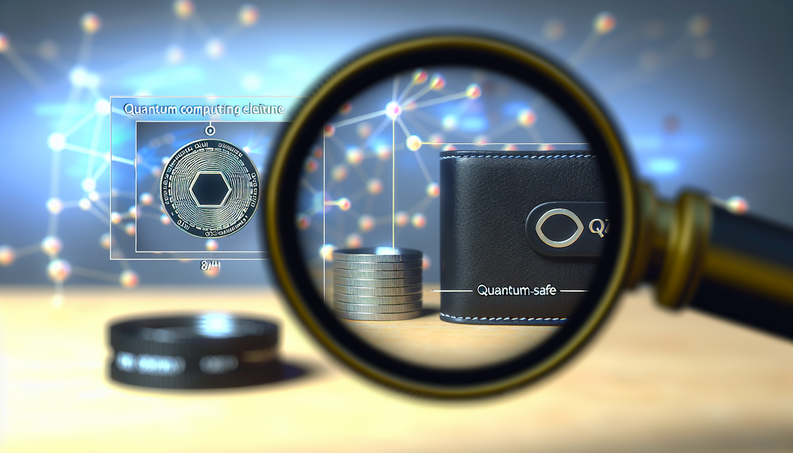
This Non-Custodial PQC Wallet Guide explores how quantum computing threatens traditional wallets and the innovations BMIC.ai offers for creating secure, user-controlled wallets. Dive into the mechanics behind post-quantum cryptography and discover actionable insights for safeguarding your digital assets against future threats.
Understanding Non-Custodial Wallets
Non-custodial wallets are a crucial advancement in digital asset management, directly addressing evolving security challenges in the blockchain era, particularly as quantum computing emerges. These wallets grant users full control over their private keys—the gateway to their crypto assets—eliminating reliance on third-party providers. This heightened autonomy simultaneously increases accountability for safeguarding those keys.
Amid growing concerns over privacy and security breaches, non-custodial wallets serve as robust defenses. Traditional custodial solutions often remain susceptible to hacks or data leaks, so the adage “not your keys, not your coins” becomes deeply relevant. With user ownership at its core, non-custodial wallets represent a transformative shift where individuals—not centralized platforms—hold ultimate control over their digital wealth.
However, enhanced freedom brings added responsibility. Users must be proactive in protecting their keys, as losing them can mean irretrievable asset loss. This reality underscores blockchain’s foundational values: transparency and trustlessness.
The Quantum Shift and Non-Custodial Relevance
As quantum computing rapidly advances, non-custodial wallets grow even more essential. BMIC’s dedication to democratizing quantum computing underscores the importance of adopting quantum-safe wallet solutions. Investment in quantum technology is no longer just innovative—it’s vital for asset protection.
Quantum computing’s immense processing power threatens established cryptographic standards such as RSA and elliptic curve cryptography (ECC). This reality exposes existing custodial wallet infrastructures to significant risks from quantum attacks. Adopting non-custodial wallets fortified with post-quantum cryptography (PQC) becomes increasingly urgent.
Integrating AI, Blockchain, and PQC
This transformation is as much about empowerment as it is about risk management. Non-custodial wallets, designed with quantum resistance, enable users to take meaningful steps to protect their assets—a mission central to BMIC. The combination of AI, decentralized governance, and post-quantum technology helps create resilient systems, ushering in more secure and equitable digital finance aligned with BMIC’s vision for a quantum-safe world.
The Quantum Computing Threat
Quantum computing introduces unprecedented challenges for current cryptographic practices, specifically threatening well-established algorithms like RSA and ECC. As quantum machines grow more powerful, cryptographic defenses that underpin digital wallets—and broader data security—risk becoming obsolete.
How Quantum Computing Breaks Classic Encryption
Classical cryptography relies on complex mathematical problems for security. For example, RSA’s strength lies in the difficulty of factoring large primes—a task nearly impossible for classical computers. However, with algorithms like Shor’s, quantum computers can solve these problems exponentially faster, placing current encryption at risk. A sufficiently advanced quantum computer could potentially decrypt sensitive wallet information almost instantaneously.
The Urgency for Quantum-Resistant Solutions
Organizations must prioritize transitioning to quantum-resistant practices. The urgency is heightened by the growing accessibility of quantum technologies. BMIC champions democratized quantum computing and strongly advocates pre-emptive adoption of secure frameworks to shield users from evolving threats.
Non-custodial wallets, especially those enhanced with PQC, grant users exclusive control over private keys—eliminating vulnerabilities associated with external custodians. Security in a quantum future will depend on embracing strong, adaptive cryptographic standards that anticipate rapidly changing technological capabilities.
In addition to wallet upgrades, blockchain-based quantum governance can facilitate transparent, tamper-proof systems for rolling out future-proof cryptographic measures. Integrating quantum hardware with AI-optimized resources, as practiced by BMIC, enables a faster and safer migration to quantum-era security.
With quantum threats on the horizon, seamlessly integrated PQC within non-custodial wallets is no longer optional—it is essential. Proactive steps now can secure long-term stability and user sovereignty in digital finance. For further insights into how such strategies materialize over the coming years, BMIC’s roadmap outlines planned security advancements.
Post-Quantum Cryptography Explained
Post-Quantum Cryptography (PQC) forms the foundation for digital asset security in a quantum computing world. As quantum advancements threaten legacy encryption methods, PQC offers robust alternatives designed to withstand the capabilities of future quantum adversaries.
Main Types of PQC Algorithms
- Lattice-based cryptography: Notable schemes like NTRUEncrypt and Learning With Errors (LWE) use mathematical lattices. They offer encryption, signatures, and key exchange while resisting quantum attacks.
- Code-based cryptography: The McEliece cryptosystem relies on error-correcting codes for secure communications and remains a strong candidate against quantum decryption.
- Hash-based cryptography: Techniques such as the Merkle signature scheme utilize one-way hash functions to produce quantum-resistant digital signatures. These are highly secure and user-friendly for wallet integration.
Why PQC Matters for Wallets
PQC’s significance is amplified by the architectural needs of non-custodial wallets. By integrating robust PQC algorithms, wallet providers can ensure user assets remain secure as quantum capabilities proliferate. For example, wallets employing lattice- or code-based cryptography can introduce features like secure multi-signature transactions and advanced key exchanges—empowering users in a decentralized, quantum-resistant landscape.
BMIC’s commitment is evident in their drive to blend accessibility, decentralization, and advanced security through innovative cryptography. This strategic adoption of PQC is not just an upgrade; it’s an essential step towards aligning crypto ecosystems with future realities. To learn how BMIC brings these values to life, see the BMIC.ai team.
Looking ahead, the integration of PQC with smart accounts and emerging wallet functionalities will further protect against future threats, ensuring non-custodial wallets continue to evolve alongside technology.
Innovating Wallet Architecture with Smart Accounts
Smart Accounts represent a transformative innovation for non-custodial wallets—especially as quantum threats demand new standards in security and adaptability. By leveraging account abstraction techniques such as Ethereum’s ERC-4337 standard and Solana’s Program Derived Addresses (PDAs), Smart Accounts redefine wallet programmability and resilience.
Programmability: Enhanced User Control
Unlike traditional wallets that restrict users to fixed conditions for transactions, Smart Accounts empower users with customizable logic and automated asset management. This flexibility extends to seamless smart contract integration and ongoing updates as new PQC standards emerge. The ability to revise wallet security protocols ensures protection evolves in tandem with quantum threats.
Reducing Public Key Exposure
Quantum adversaries pose significant risks when public keys are widely exposed. Smart Accounts address this by adding a layer of abstraction, minimizing direct public key exposure and strengthening transaction privacy. Signature and key-hiding mechanisms, potentially enhanced by techniques such as zero-knowledge proofs, reduce the risk of quantum decryption attacks.
Adapting to Changing Security Protocols
Through ERC-4337 and similar frameworks, wallets can support advanced features—multi-signature operations, social recovery, and flexible transaction types—all easily upgraded as new cryptographic standards arise. Solana’s PDAs further minimize vulnerabilities by eliminating reliance on static key pairs, further shrinking the attack surface against quantum-enabled exploits.
By embracing Smart Accounts, wallet technology achieves a vital balance: advanced programmability meets essential quantum safety. This innovation reflects BMIC’s forward-thinking approach, laying the foundation for highly secure, user-centered digital asset management.
BMIC’s Vision for Quantum-Resistance
BMIC envisions a future where quantum-resistant technologies are accessible, effective, and easy to adopt. With quantum threats accelerating, mitigating risks requires innovative architecture and commitment to seamless integration for end-users.
Middleware for Seamless Upgrades
At the heart of BMIC’s strategy is flexible middleware, designed to interface with current wallet architectures. This middleware acts as a protective layer, allowing users to transition to quantum-resistant protocols without overhauling their entire systems, thus minimizing adoption friction.
Signature-Hiding Layers and Hybrid Signature Engines
- Signature-hiding layers: Techniques like zero-knowledge proofs obfuscate transaction details, preventing attackers from accessing sensitive signature data vulnerable to quantum decryption.
- Hybrid signature engines: By combining classical and PQC cryptography, users benefit from a dual defense strategy. This hybridization facilitates gradual, secure migration towards post-quantum standards.
BMIC’s transparent, usability-focused approach ensures state-of-the-art security is accessible, not daunting. Educational outreach and practical guides help users and organizations embrace quantum-resistant wallets confidently and efficiently.
For those interested in the mechanics of BMIC’s ongoing innovation, the protocol’s tokenomics page provides insights into both technology and incentives powering quantum safety.
Practical Applications of Non-Custodial PQC Wallets
Implementing PQC in non-custodial wallets is vital for digital asset protection as quantum computing capabilities expand. By adopting modern strategies—such as smart accounts, hybrid signatures, and Layer 2 solutions—users can fortify their wallets without compromising usability.
Actionable Steps for Secure Implementation
- Smart accounts:
- Identify use cases for programmable logic (multi-signature, automated payments, etc.).
- Leverage BMIC’s middleware to embed PQC algorithms while maintaining intuitive user experiences.
- Run thorough, iterative testing to address security loopholes before real-world deployment.
- Hybrid signatures:
- Select well-vetted classical and quantum-resistant algorithms for double-layered security.
- Incorporate signature-hiding technologies to further obscure transaction data.
- Stay updated on evolving PQC developments to ensure wallets remain secure.
- Layer 2 integration:
- Analyze L2 solutions prioritizing PQC-aligned security features. (A review of emerging research such as the NIST post-quantum cryptography project outlines global efforts in this area.)
- Establish secure bridging protocols between L1 and L2 using hybrid signatures for continuous quantum safety.
- Monitor and audit transactions to ensure ongoing protection against new threats.
When selecting wallet technology, key priorities should include:
- Intuitive user interface and seamless experience, even with advanced PQC.
- Community-driven governance structures for responsive security updates.
- Availability of educational resources for smoother onboarding into PQC adoption.
Strategic, future-focused implementation ensures that non-custodial PQC wallets prepare users for a quantum-ready world while enhancing confidence in their immediate digital operations.
Addressing Counterarguments and Limitations
Debate surrounding the adoption of Post-Quantum Cryptography (PQC) wallets is necessary for balanced risk assessment. Critics often highlight the still-theoretical nature of quantum threats, questioning the urgency of PQC upgrades. While classical cryptography remains unbroken today, history shows that preparedness is preferable to reaction—particularly when technological disruption could happen swiftly.
Key Concerns and Considerations
- Quantum threat timing: Many believe quantum computing’s risks are distant. However, waiting for practical exploits before responding could jeopardize critical assets.
- Blockchain scalability: Layer 1 chains currently face congestion, high fees, and speed constraints. There are concerns that PQC wallets could further strain these networks. Advances in L2 and optimized protocols may help address these barriers in the near future.
- Usability challenges: Transitioning to PQC solutions can involve a learning curve, from understanding new cryptographic principles to adapting to updated interfaces. User education and incremental rollout are crucial for smooth adoption.
BMIC seeks to bridge these gaps by fostering a decentralized quantum ecosystem and improving accessibility through blockchain infrastructure, thus reducing the costs and adoption friction seen with centralized solutions. Transparency, education, and the seamless integration of PQC into existing systems help ease skepticism and alleviate transition challenges.
Ultimately, careful risk evaluation—combined with incremental, user-friendly advancements—will support the secure, broad-based integration of PQC wallets and help shape a resilient digital economy for the quantum age.
The Path Forward: Preparing for a Quantum Future
To secure digital assets against quantum computing threats, immediate action is necessary. Both individuals and enterprises must proactively assess and adopt quantum-safe wallet solutions built on Post-Quantum Cryptography (PQC).
Strategic Steps for Readiness
- Embrace early adoption: Swift implementation of PQC wallets protects assets from both today’s risks and tomorrow’s quantum threats. Early adoption establishes robust, future-proof security.
- Conduct strategic security assessments: Regularly review your wallets for vulnerabilities and confirm their compatibility with PQC standards. Businesses should educate teams and stakeholders, promoting awareness and vigilance across the organization.
- Integrate blockchain and AI optimization: Utilizing BMIC’s decentralized frameworks, users can empower themselves with accessible quantum innovation for ongoing asset protection. This approach demystifies quantum technologies and encourages secure, community-driven adaptation.
- Practice robust management: Stay current with wallet updates, maintain open lines with the community, and be informed on the latest PQC breakthroughs. Adaptive asset management is crucial as technology and threats evolve.
- Diversify wallet architecture: Distribute holdings across multiple quantum-safe, non-custodial wallets to mitigate risk and ensure layered security.
With constant technological flux, adaptability and vigilance are key. By preparing now, users and businesses position themselves to thrive securely as quantum computing integrates into financial and digital ecosystems.
Conclusions
Transitioning to non-custodial PQC wallets is an essential step toward securing digital assets against emerging quantum threats. BMIC.ai leads this effort, merging classical and post-quantum cryptography to empower users with control, resilience, and peace of mind as a quantum-ready future approaches.
For ongoing updates on quantum-resistant solutions and to explore BMIC’s roadmap for future security advancements, visit the BMIC.ai project roadmap.
Written by Michael Trent, Blockchain Analyst at BMIC.ai