One Token: Security Now, Quantum Later
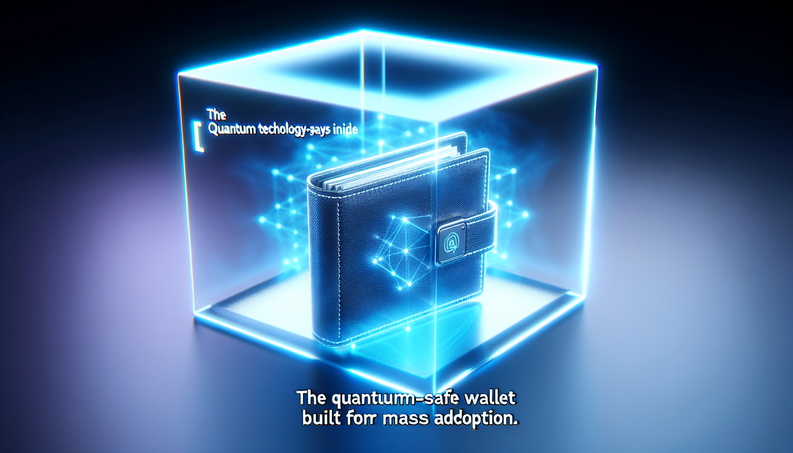
In a world where quantum computing threatens traditional cryptographic systems, the concept of One Token—BMIC—emerges as a revolutionary solution for securing digital assets. This article explores the pivotal role of quantum-resistant technologies in providing robust protection against emerging quantum threats.
Understanding the Quantum Threat
The Quantum Era is bringing transformative change to digital security by challenging current encryption protocols that safeguard sensitive data. Quantum computing, built on the unique capabilities of qubits, can solve complex problems at speeds unattainable by classical computers. This poses significant risks, especially for the cryptocurrency sector, where understanding these quantum risks is critical for asset protection and privacy.
Estimates indicate that quantum computers capable of breaking existing encryption like RSA and ECC may arrive within the next decade. The “Harvest-Now, Decrypt-Later” tactic—where adversaries collect encrypted data now to decrypt it with future quantum computers—underscores the urgent need for action. Crypto holders must recognize the grave consequences of ignoring quantum risks, which range from financial loss to severe privacy breaches.
Implementing Post-Quantum Cryptography (PQC) is vital. As we approach this digital turning point, new cryptographic frameworks designed to withstand quantum attacks are essential for maintaining data integrity and confidentiality. If neglected, widespread breaches could erode the very trust that underpins the digital economy.
Past encryption failures highlight the urgency for adaptability in defense strategies. High-profile data breaches have exposed the vulnerability of outdated protocols, emphasizing that using yesterday’s solutions in today’s advancing threat landscape is perilous—especially for crypto and blockchain platforms.
With the quantum era approaching, understanding its impact on encryption is foundational. BMIC (Blockchain Micro-Ion Compute) advocates for democratizing access to quantum-resistant technologies. By integrating quantum hardware, AI-based resource optimization, and blockchain governance, BMIC aims to deliver a secure future against quantum threats. This vision is realized through mechanisms like the BMIC token, which is central to ecosystem security and governance. Through proactive measures, the community can confidently navigate the coming quantum era.
BMIC Token as the Security Backbone
Ensuring Transaction Security and User Trust
The BMIC Token is a critical utility and governance tool within the BMIC ecosystem, designed to enable secure, efficient digital interactions. As quantum threats grow, the token’s multifaceted roles ensure secure transactions and robust user engagement in a quantum-resistant context.
- Transaction Security: BMIC Tokens facilitate secure transactions using advanced quantum-resistant cryptography, giving users peace of mind against quantum decryption attacks.
- Staking Opportunities: BMIC enables users to stake tokens, contributing to network resilience and collective security. This shared responsibility model helps fortify the network.
Access to Quantum-Resistant Wallets and Deflationary Tokenomics
- Quantum-Resistant Wallet Access: BMIC Tokens unlock wallet services with cutting-edge PQC, ensuring asset safety now and in a quantum-powered future.
- Deflationary Mechanism: Regular token burns reduce supply, encouraging long-term holding and supporting potential value appreciation, in line with the community’s interests.
Burn-to-Compute: Democratizing Quantum Access
- Burn-to-Compute Model: Users can ‘burn’ BMIC Tokens to access quantum resources, removing barriers to advanced computation and promoting active ecosystem participation.
The carefully structured tokenomics of BMIC promote decentralization and empower users with governance rights, ensuring community-driven, transparent development. Users vote on key decisions, aligning the project’s direction with its mission to democratize technology and transfer influence away from tech giants. Learn more about the BMIC team advancing these solutions.
Ultimately, the BMIC Token acts as the backbone for security, staking, and governance, addressing quantum risks while advancing a decentralized, innovative community. Its unique features—deflationary burns, the Burn-to-Compute model, and user empowerment—place BMIC at the forefront of quantum-resilient solutions and equitable computing access.
Building Quantum-Resistant Wallets
The Shift to Smart Accounts
Transitioning from traditional wallets to quantum-resistant alternatives is crucial as quantum threats intensify. BMIC facilitates this shift through smart accounts and hybrid PQC signatures, securing digital assets for today and tomorrow.
- Smart accounts integrate features like multi-signature support, flexible asset management, and programmability via smart contracts.
- Unlike externally owned accounts (EOAs) managed by a single private key, smart accounts distribute security across multiple keys, reducing single points of failure.
- Programmable controls and automated triggers further enhance wallet protection in the face of quantum risks.
Leveraging Hybrid PQC Signatures
BMIC’s hybrid signatures combine traditional and quantum-resistant algorithms, strengthening security without disrupting existing user experience. This layered approach ensures that even as infrastructure evolves, user assets and transactions remain protected from quantum exploits, maintaining the integrity of blockchain operations.
Middleware Chain as an Added Security Layer
- The Middleware Chain operates as a secure layer between users and the blockchain, enabling smarter transaction validation, customized protocols, and flexible wallet management.
- It incorporates BMIC token mechanics for enhanced authentication and transactional controls.
Action Steps for Users
- Adopt smart account models for greater protection.
- Deploy hybrid PQC signatures in all wallet interactions.
- Utilize the Middleware Chain for an added security layer and better integration with BMIC’s ecosystem.
By championing accessible quantum-resistant solutions—integrating smart accounts, hybrid signatures, and middleware enhancements—BMIC is redefining digital asset protection, positioning its ecosystem at the forefront of secure blockchain innovation.
Integrating PQC into Enterprises
Strategic Integration of Quantum-Resistant Security
Enterprises face increasing pressure to mitigate quantum threats to their digital infrastructure. Integrating Post-Quantum Cryptography is essential, and BMIC’s Quantum Security-as-a-Service (QSaaS) API streamlines this transition, offering quantum defense without disruptive overhauls to legacy systems.
- BMIC’s QSaaS API interfaces with existing frameworks, allowing businesses to incorporate quantum-resistant algorithms quickly and reliably.
- Seamless migration paths minimize operational disruption and eliminate the need for large-scale retraining or infrastructure replacement.
Enhanced Security and Compliance
With rising regulatory scrutiny, enterprises leveraging quantum-resistant solutions enjoy a compliance advantage. By fortifying data and transaction security with PQC, organizations can meet industry mandates and assure clients of robust protection against future threats. Industry research, such as NIST’s recommendations on quantum-resistant cryptographic algorithms, highlights the accelerating pace of this global transition.
Case Studies and Industry Partnerships
Adoption of BMIC’s QSaaS has already demonstrated value in the financial sector, enabling a smooth introduction of quantum resistance into critical transaction verification processes. Strategic partnerships between fintech innovators and established banks illustrate the growing consensus for a unified, quantum-ready security strategy.
As organizations confront evolving security risks, integrating BMIC’s solutions primes them for both present and future challenges, enabling secure operations, compliance, and increased client trust in an uncertain digital landscape.
The BMIC Quantum Meta-Cloud Vision
Decentralized Quantum Resource Management
The BMIC Quantum Meta-Cloud represents a revolutionary approach to computing—delivering more than just pooled quantum resources. Through blockchain-based governance, this architecture offers democratized, secure, and censorship-resistant access to quantum computing power.
- Traditional cloud platforms are centralized and susceptible to downtime or control issues; BMIC’s decentralized meta-cloud eliminates these risks.
- Utilizing smart contracts, resource allocation is responsive to real-time demand, ensuring equitable distribution regardless of a participant’s background or investment.
Incentives and Long-Term Impact
- BMIC’s tokenomics incentivize both providers and users, rewarding contributions and fostering a collaborative quantum ecosystem.
- This vision empowers enterprises, researchers, and developers to access advanced computing without fear of monopolistic practices or censorship.
Embedding quantum resistance within this next-generation infrastructure ensures enduring security and lays the foundation for future advancements. BMIC’s Quantum Meta-Cloud is not just an architectural innovation—it’s a blueprint for an equitable, high-performance digital economy anchored in security and decentralization.
Conclusion: Preparing for the Future
The accelerating pace of technological progress demands immediate action within the digital sphere. The quantum threat to traditional encryption is no longer theoretical; rapid advances mean that strong, quantum-resistant security strategies are now essential.
BMIC’s vision—to democratize access to quantum computing through blockchain-driven mechanisms—offers a practical path toward resilience. Central to this strategy is the unifying model of One Token, incentivizing collective participation in quantum-proof frameworks and bridging today’s needs with tomorrow’s technologies.
Inclusivity is a pillar of One Token, empowering stakeholders throughout the ecosystem to help shape a safer, more collaborative digital landscape. Deploying quantum-resistant protocols will soon be non-negotiable for sustaining secure digital operations across industries.
Blockchain’s evolution, aligned with the solutions pioneered by BMIC, is poised for transformation. The forward-thinking embrace of innovations such as One Token marks a pivotal shift, equipping every participant—from entrepreneurs to developers—with the necessary tools for secure engagement with next-generation technologies.
In essence, adopting quantum-resistant security measures with BMIC’s solutions is critical for building a resilient, secure, and equitable digital future. Embracing these developments ensures readiness for quantum disruption and reinforces a commitment to decentralized security and opportunity for all.
Conclusions
With quantum technology advancing rapidly, digital asset security must remain a top priority. BMIC’s comprehensive, quantum-resistant framework defends against present threats while future-proofing the ecosystem. Embracing One Token now is essential for securing a quantum-resilient tomorrow.
To be part of this quantum-secure future and see how BMIC’s roadmap is shaping digital security, explore the BMIC roadmap today.
Written by Emily Carter, Blockchain Analyst at BMIC.ai