Quantum Threat? BMIC Presale Has Answers
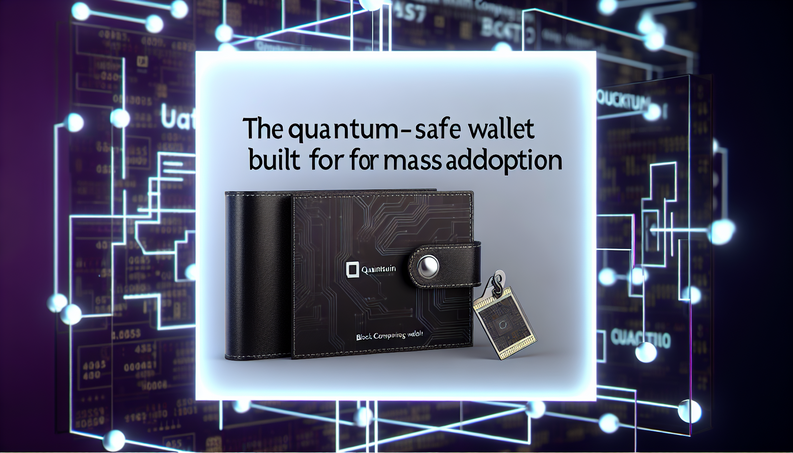
As the quantum threat looms over digital security, the BMIC presale emerges as a vital response. Leveraging groundbreaking technology, BMIC is dedicated to securing cryptocurrency against quantum computing risks, providing innovative solutions for safer blockchain transactions and digital wallets. This article explores BMIC’s strategic approaches to defending against quantum attacks.
Understanding the Quantum Threat
The rise of quantum computing presents substantial risks to existing cryptographic systems, necessitating urgent action within the blockchain sector. As quantum computers advance, their ability to break traditional encryption methods puts the security of sensitive data, cryptocurrencies, and digital assets at risk. BMIC is acutely aware of these challenges and is committed to formulating solutions that safeguard users from quantum threats, reinforcing blockchain as a secure platform.
What is Post-Quantum Cryptography?
Post-Quantum Cryptography (PQC) has become essential in countering quantum intrusion, focusing on cryptographic methods that can withstand the computational power of quantum computers. Recent strides by the National Institute of Standards and Technology (NIST) have led to the standardization of PQC algorithms such as Kyber, Dilithium, and Falcon. These algorithms exploit mathematical constructs, like lattice-based problems and hash-based signatures, believed to be resilient against quantum attacks.
- Kyber: A key encapsulation mechanism using lattice-based constructions, known for efficiency and high security. Kyber is ideal for securing communications in a post-quantum world, including blockchain transactions.
- Dilithium: Employs lattice-based signatures, offering swift verification and smaller key sizes, which are vital for blockchain applications needing quick, efficient transaction verification.
- Falcon: Focuses on robustness and efficiency, particularly in resource-constrained environments, using lattice structures to maintain high security.
Transitioning to PQC is complex due to blockchain’s deep integration with traditional algorithms. A coordinated, phased approach is needed. BMIC bridges this gap through its unique integration of quantum hardware and blockchain governance — democratizing access to quantum computing and optimizing AI resources for smooth adoption without significant network disruption.
Testing and validating PQC in existing systems is critical to ensure high security and optimal blockchain performance. BMIC collaborates with industry leaders to define the standards and best practices for integrating PQC, instilling confidence in users embracing these advanced protections.
By proactively promoting PQC, BMIC is not only boosting security but also empowering blockchain ecosystem stakeholders to thrive amid rapid technological advancements. BMIC’s mission supports democratized computing power, delivering quantum advancements that are both accessible and secure for all users.
The Rise of Post-Quantum Cryptography
The development of Post-Quantum Cryptography represents a pivotal evolution in cryptographic defense, aiming to withstand future quantum attacks. As traditional encryption becomes increasingly vulnerable, standardized PQC algorithms like Kyber, Dilithium, and Falcon offer robust defense mechanisms — especially vital in cryptocurrency sectors.
PQC Algorithm Innovations
- Kyber: Based on the Module Learning With Errors (MLWE) problem, Kyber supports fast, secure key exchange, suiting blockchain systems and wallets that demand efficiency and safety.
- Dilithium: This digital signature scheme uses lattice cryptography for fast, tamper-proof verifications in decentralized environments, strengthening decentralized finance (DeFi) platforms against quantum infiltration.
- Falcon: Optimized for small key sizes and efficiency, Falcon’s lattice-based approach is well-suited for hardware wallets and environments needing lower data overhead.
Challenges in the Transition
Shifting from classical to post-quantum cryptography poses challenges, especially regarding standardized implementations for interoperability. Existing reliance on traditional algorithms means hybrid systems are necessary during the migration phase.
Education and awareness must go hand-in-hand with technological changes. As BMIC works to democratize quantum resources, it plays a crucial role in guiding both users and developers through this transition — emphasizing the urgent need for adopting secure practices before quantum threats materialize.
By integrating NIST-standardized PQC into its platform, BMIC leads the industry in defending against quantum threats and safeguarding assets. This transition is not just about security; it is foundational to a future of decentralized, accessible blockchain finance. For information on how BMIC’s ecosystem and planned innovations adapt to these developments, see the BMIC roadmap.
The Weakness of Traditional Wallets
Traditional cryptocurrency wallets are unprepared for the shifts introduced by quantum computing. Most rely on asymmetric cryptography, currently considered secure — but highly vulnerable to quantum attacks.
Exposure Risks and Quantum Threats
- Public Key Exposure: Blockchain’s reliance on public keys for transactions risks revealing critical information. Quantum computers running Shor’s algorithm can quickly factor large integers, enabling attackers to derive private keys from public ones and access funds without authorization.
- Lack of Quantum Resistance: Multi-signature and two-factor authentication methods, while currently effective, offer little defense against quantum-powered key derivation.
- Incidents and Statistics: In 2022, over $5 billion in cryptocurrency was stolen through hacks, often due to compromised wallet security. Around 30% of wallet users have reportedly experienced breaches stemming from weak security protocols.
A notable case involved a breach of a popular wallet, resulting in millions lost when attackers exploited cryptographic weaknesses. This underscores the reality that, if wallets do not evolve, quantum-powered theft could become a significant future risk.
In short, the vulnerabilities of traditional cryptocurrency wallets are concerning. Quantum advancements demand urgent evolution — and solutions, like those advanced by BMIC, are essential for building a safe blockchain environment where quantum computing does not compromise digital assets.
BMIC’s Revolutionary Solutions
The Quantum-Resistant Wallet
In anticipation of the quantum era, BMIC has introduced the Quantum-Resistant Wallet to redefine wallet security. Utilizing advanced, lattice-based cryptography, this wallet defends private keys from quantum decryption. The user interface is designed for accessibility, allowing both new users and experts to manage security effortlessly. By focusing on both robustness and usability, BMIC furthers its goal of democratizing advanced technology for everyone.
The Burn-to-Compute Model and Tokenomics
BMIC’s innovative Burn-to-Compute model not only creates a sustainable ecosystem but also aligns user participation with quantum resource access. Users “burn” tokens to access BMIC’s quantum resources, reducing supply and potentially increasing token value. This approach stabilizes tokenomics even during volatile markets. To learn more, visit the BMIC tokenomics page.
Quantum Security-as-a-Service (QSaaS)
BMIC’s QSaaS delivers enterprise-grade, quantum-resistant security without requiring companies to build their own infrastructure. By outsourcing quantum protection needs to BMIC, organizations can:
- Access customized security tailored to their unique operational requirements
- Receive ongoing support and continuous updates as the quantum landscape evolves
- Focus on innovation, confident that quantum security is managed by experts
Collectively, these solutions exemplify BMIC’s commitment to creating a quantum-safe future for digital assets and define new standards in blockchain transactional integrity.
Decentralized Access to Quantum Resources
The Case for Decentralization
Decentralized access to quantum resources is crucial in strengthening cryptocurrency security and driving innovation. Centralized quantum computing, typically controlled by a few tech giants, restricts experimentation, fosters monopolistic practices, and increases vulnerabilities to targeted attacks.
BMIC’s Quantum Meta-Cloud and Vendor Neutrality
BMIC answers these challenges with its Quantum Meta-Cloud, fostering a vendor-agnostic, decentralized infrastructure. Key advantages include:
- Support for multiple quantum hardware platforms — giving users and enterprises choice and flexibility
- Encouragement of healthy competition among hardware providers, catalyzing faster innovation and improvements
- The ability to tailor solutions to specific quantum workloads and operational needs
By coupling decentralized quantum resources with blockchain governance, BMIC supports transparency and verifiability. Users are assured of compute provenance, integrity, and security for quantum computations, driving a shift toward secure, distributed technological architectures.
Fostering Collaboration Across Sectors
Decentralized quantum computing also promotes collaboration among academia, startups, and enterprises. Joint efforts accelerate the development of robust, quantum-resistant algorithms and cultivate a culture of knowledge sharing, fortifying collective defenses against future threats.
BMIC’s model illustrates that widespread access to quantum computing is foundational for both security and innovation, paving the way for a transformative, secure digital future.
Integrating AI with Quantum Security
AI-Driven Quantum Defense
BMIC’s integration of artificial intelligence with its quantum security framework elevates the protection of cryptocurrency assets. AI’s capacity to rapidly analyze data uncovers vulnerabilities within quantum systems before they can be exploited, enabling dynamic, proactive defense.
Machine learning models can predict potential cryptographic attack vectors, allowing quantum-resistant strategies to evolve in real time. This collaboration between AI and quantum computing not only optimizes resource allocation but also ensures system resilience.
Future Innovations at the Intersection
The relationship between AI and quantum computing will catalyze revolutionary new solutions, such as quantum-enhanced machine learning models that dramatically improve data processing in the cryptocurrency sector. These advances, fueled by BMIC’s commitment to democratizing quantum resources, promise both heightened security and improved user experience.
Through the AI–quantum synergy, BMIC establishes a fortified digital environment poised to adapt to tomorrow’s challenges, strengthening resilience across blockchain platforms.
The Importance of Early Adoption
Quantum computing’s rapid advance introduces new levels of risk for cryptocurrency holders. Early adoption of quantum-resistant protocols is not simply an advantage — it is a necessity.
Risks of Delayed Action
- Obsolescence of Current Standards: Studies, including those from NIST, forecast that current cryptographic protocols could be broken by quantum computers within the next decade. Delayed upgrade could expose the entire blockchain sector to massive financial and reputational risk.
- Escalating Attacks: Waiting enables malicious actors to exploit quantum vulnerabilities, eroding trust and slowing innovation across decentralized markets.
In contrast, BMIC presale participation offers stakeholders an opportunity to invest in a mission-driven project that is proactively defending digital assets. BMIC’s integration of quantum hardware, blockchain governance, and AI-powered optimization equips the community to effectively meet future quantum threats.
Adopting quantum-resistant measures early keeps users ahead of the threat curve, reducing the risk of catastrophic losses — and empowering both individuals and organizations to help build a secure future for digital assets. The collective action of early adopters is essential to safeguarding and advancing the ecosystem as quantum capabilities come online.
The Future of Digital Assets with BMIC
The evolution of digital assets is intimately connected to advancements in security technology, especially in the face of the quantum threat. BMIC is committed to building a secure, scalable ecosystem designed for long-term resilience. By marrying quantum hardware with AI optimization and rigorous blockchain governance, BMIC sets the foundation for a new era in asset protection.
Quantum-Safe Financial Products
BMIC is actively developing quantum-safe solutions, including quantum-resistant credit cards embedded with advanced encryption. These products aim to shield consumer transactions from even the most sophisticated quantum attacks, ensuring financial privacy and protection in a rapidly changing security environment.
Comprehensive Security for the Future
By integrating quantum-resilient protocols into every layer of the financial ecosystem, BMIC gives users and enterprises the confidence to operate safely. Such innovations help the blockchain community move beyond reaction to prevention, a stance crucial for the sustainable growth of decentralized finance.
BMIC’s vision extends quantum-grade security to all platform participants, not just large organizations, marking a shift in how digital assets will be protected and used in global markets. For more details on the people driving these innovations, see the BMIC team.
As BMIC’s presale progresses, it demonstrates ongoing commitment to a secure financial future and to empowering the greater blockchain community. Early engagement positions stakeholders to shape the future of asset security and capitalize on quantum advancements as they unfold.
Conclusions
In summary, the quantum threat is a substantial risk to digital assets, but BMIC leads the way in providing quantum-resistant solutions. Through a strong focus on security, innovation, and accessibility, BMIC not only defends users today but also helps create a more resilient future for blockchain technology.
To explore how BMIC’s innovative tokenomics model supports sustainability in the quantum era, visit the BMIC tokenomics page.
Written by Mark Spencer, Blockchain Analyst at BMIC.ai