Secure Enclave Key Storage Methods
Understanding Secure Enclaves
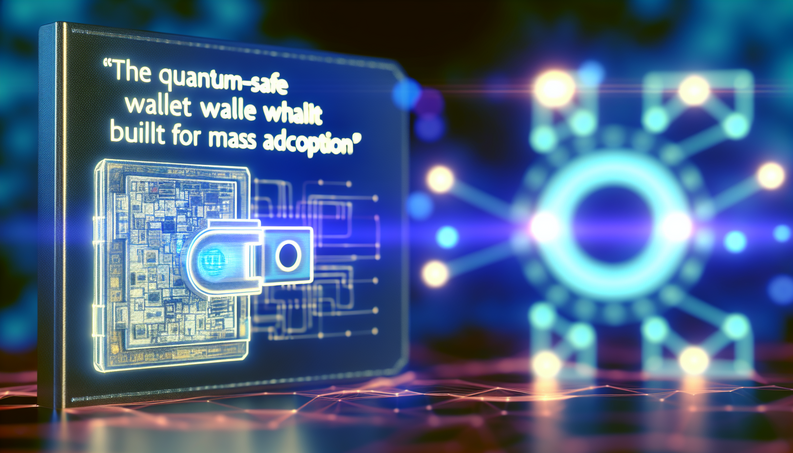
Secure Enclaves are a key advancement in hardware-based security, creating isolated environments within chips to enhance the protection of sensitive data and cryptographic operations. By operating independently from the main operating system and other applications, Secure Enclaves significantly reduce the risk of data exposure. At their core is the Trusted Execution Environment (TEE), which enables code execution to occur in isolated conditions, remaining secure even if the main OS is compromised.
Secure Enclaves incorporate hardware-level mechanisms such as memory encryption, strict access controls, and advanced tamper resistance to defend against both software and physical threats. For example, using specialized packaging techniques and fortified encryption, Secure Enclaves like those used by BMIC make key storage resilient to both current attacks and emerging quantum threats.
Their use spans industries:
- Financial services: Secure handling of transactions and protection for sensitive data like PINs and account details.
- Healthcare: Management of patient records in compliance with strict privacy regulations.
- Technology firms: Secure user authentication and regulated access to sensitive information.
These real-world applications demonstrate how Secure Enclaves are proactively addressing both present and future challenges—especially as the quantum computing era approaches. As digital asset management evolves, solutions led by BMIC ensure that secure enclaves become increasingly pivotal for information integrity and confidentiality.
Why Key Storage Matters
Key storage is fundamental in cryptography, directly influencing the security and privacy of digital communications and transactions. Effective key storage safeguards against unauthorized access, ensuring confidentiality and trustworthiness in every digital exchange. As quantum computing progresses, vulnerabilities in traditional key storage become more worrisome, highlighting the necessity for robust, future-ready strategies.
Traditional Key Storage Vulnerabilities
Public/private keys underpin cryptographic systems, with public keys shared openly for encryption and private keys kept secret for decryption. The compromise of a private key could expose financial assets and personal data. Historically, organizations have relied on software-based key storage, but these approaches are susceptible to:
- Malware and phishing attacks targeting stored credentials
- Physical theft of devices
- Single points of failure in centralized repositories
With the advent of quantum computing algorithms like Shor’s, which threatens traditional encryption by breaking RSA and similar systems, the urgency for improved key storage cannot be overstated. According to the National Institute of Standards and Technology (NIST), organizations must transition to quantum-resistant cryptography to maintain future security.
The Hardware Advantage and Blockchain Integration
Secure Enclaves offer a hardware-based solution, isolating key generation and storage from the rest of the system. Even if the OS is compromised, keys stored within the enclave remain protected. This method is instrumental to BMIC’s mission, using advanced quantum hardware and decentralized governance for secure, accessible cryptographic management.
Blockchain technology further supports secure key storage through decentralized records and transparent governance. Integrating blockchain with enclaves, as championed by BMIC, creates a future where secure, quantum-resistant key management is widely attainable.
In summary, secure key storage is indispensable for defense against growing quantum threats. With evolving standards and the maturation of quantum-ready algorithms, innovative storage solutions are increasingly central to safeguarding digital assets.
Navigating PQC-Ready Algorithms
With quantum computing threatening traditional cryptography, Post-Quantum Cryptography (PQC) has become essential. PQC-ready algorithms are specifically crafted to resist quantum decryption—even when facing the power of future quantum computers. The integration of PQC within Secure Enclave technology is a top priority for BMIC, aligning with their vision to democratize quantum computing security.
Prominent PQC Algorithms: Kyber and Falcon
Among the most promising PQC algorithms:
- Kyber: A lattice-based key encapsulation mechanism noted for small key sizes and robust security, well-suited for Decentralized and Secure Enclave key management.
- Falcon: A lattice-based digital signature scheme offering fast, quantum-resistant signatures—ideal for real-time authentication and transactions.
BMIC’s quantum computing solutions incorporate these algorithms to enable secure, efficient, and accessible key management.
Challenges and Optimization
Integrating PQC into Secure Enclaves presents challenges, including:
- Compatibility with legacy cryptographic frameworks
- Increased computational overhead and key sizes
BMIC leverages AI-driven optimization and quantum hardware to overcome these challenges, ensuring smooth integration and efficient operation. This strategy enables organizations to transition painlessly toward PQC adoption, fortifying systems for the quantum era.
The ongoing evolution of cryptographic management will rely on the industry’s ability to integrate PQC-resistant solutions into secure enclaves, building a foundation for enduring security as computational threats evolve.
Client-Side Key Storage Dynamics
The shift toward non-custodial wallets has transformed digital asset management, empowering users to manage their own cryptographic keys. This movement aligns closely with BMIC’s aim to make quantum computing security widely accessible. By adopting client-side storage—especially via Secure Enclaves—users gain sophisticated, self-sovereign control over their digital assets.
Non-Custodial Wallets and Local Key Generation
Non-custodial wallets generate and store keys locally, reducing risk by ensuring keys do not leave the user’s device. Unlike custodial wallets, which centralize key storage on external servers and increase exposure to cyberattacks, non-custodial models supported by Secure Enclaves:
- Keep keys isolated from the OS and external applications
- Protect sensitive operations like key generation and signing workflows
- Shield assets from malware, keyloggers, and unauthorized access
Secure Enclaves: The Foundation for Quantum-Resistant Storage
Within Secure Enclaves, client-side workflows—such as signing transactions—occur securely and efficiently. This approach supports BMIC’s philosophy of combining quantum hardware and AI for robust, decentralized key management. Users gain end-to-end control and enhanced trust, further reinforced by BMIC’s blockchain-based governance and transparent development practices.
As digital assets face emerging threats, Secure Enclave-based storage not only addresses present vulnerabilities but also anticipates the risks posed by quantum advancements—especially when enhanced with blockchain-backed transparency.
The next frontier in wallet security will incorporate Hybrid Signature Systems, combining classical and PQC signatures to offer a comprehensive protection layer.
The Role of Hybrid Signature Engines
Hybrid signature engines—utilizing both classical and post-quantum cryptography—represent a cutting-edge solution for strengthening digital security. In tandem with Secure Enclaves, they deliver a dual-layer defense for key storage and authentication, protecting assets from both conventional and emerging quantum threats.
Dual-Layered Security and Flexibility
Hybrid signature systems:
- Leverage classical algorithms for trusted daily operations
- Integrate post-quantum signatures to resist future quantum attacks
- Enable organizations to adapt seamlessly as cryptographic standards evolve
This flexibility extends system longevity and enables gradual migration toward PQC as trust and adoption increase.
Use Cases and Secure Enclave Integration
Hybrid signature engines are seeing adoption in finance, government, and national security—where dual-layer cryptography provides defense-in-depth. Secure Enclaves enhance their operation by keeping both signature types and related keys isolated and uncompromised, ensuring that a breach of one algorithm does not lead to total system failure.
BMIC’s dedication to democratizing quantum computing stands out in this context. By offering accessible, quantum-resistant tools, BMIC’s ecosystem ensures individuals and organizations alike can protect their digital assets—even without deep technical expertise.
In summary, hybrid signature engines paired with Secure Enclaves offer adaptive, future-proof key management solutions vital to the rapidly changing security environment.
BMIC’s Vision for Secure Key Management
BMIC prioritizes decentralized architecture and quantum-resilient technology in its secure key management strategy. Its wallet solution employs multi-layered defenses:
- Secure Enclaves provide hardware-isolated environments for protected computation and key storage, minimizing runtime exposure.
- PQC algorithms resist both current and impending quantum cryptographic threats.
- Blockchain-based decentralized governance grants users direct control over keys, enhancing security and transparency.
Fostering a Secure Community
BMIC invites users to join a collaborative, resilient security ecosystem. Regular software updates, open-source development, and multi-signature wallet options foster a proactive community. With self-custody and open participation at its core, BMIC empowers even small organizations and individuals to maintain enterprise-grade wallet security.
By integrating Secure Enclaves and PQC, BMIC leads the way toward a safer, more inclusive digital economy, transforming secure key management from an exclusive privilege into a democratic standard.
To learn more about BMIC’s decentralized governance and token structure, review the BMIC tokenomics overview.
Implementing a Secure Enclave-Based Wallet
Following a step-by-step process ensures maximum benefit from Secure Enclave-based wallet solutions, as envisioned by BMIC for quantum-resistant key management.
Step-by-Step Guide
- Choose Secure Hardware: Select a reputable laptop, smartphone, or hardware wallet supporting Secure Enclave capabilities and designed with security as a priority.
- Install a Secure Operating System: Use a privacy-oriented OS—such as Tails OS or Qubes OS—to reduce exposure to external threats.
- Download the BMIC Wallet App: Get the latest BMIC wallet from the official website and verify its integrity through checksums or digital signatures.
- Initialize the Wallet:
- Generate cryptographic keys securely within the enclave.
- Set up authentication (e.g., biometrics or strong passphrase).
- Backup the Wallet:
- Store recovery phrases in multiple secure, offline locations.
- Consider safe deposit boxes or encrypted drives for backup.
- Fund the Wallet: Transfer assets securely, verifying all blockchain transactions via the wallet interface.
- Enable Advanced Security Features: Utilize built-in options like two-factor authentication (2FA) and set transaction limits.
- Regular Maintenance: Keep your wallet app updated with the latest releases for enhanced security measures and protocol improvements.
Best Practices for Key Management
- Minimize online operations when possible by signing or transacting offline.
- Opt for hardware authentication features provided by your device for added security.
- Be vigilant to phishing attempts; always interact through official BMIC channels and verified sites.
- Continuously educate yourself with resources from security authorities and BMIC’s open community.
By following these steps and best practices, users can establish and maintain Secure Enclave-based wallets aligned with BMIC’s quantum-resistant approach. This methodology builds a resilient defense, ensuring your digital assets remain protected as cyber threats and quantum capabilities evolve. For insight into upcoming features and innovations, visit the BMIC roadmap.
Looking Forward: The Future of Wallet Security
The trajectory of wallet security is set for transformation as Secure Enclave technology evolves. Enhanced hardware will offer greater storage and processing capacity, and quantum-resistant algorithms are becoming integral to cryptographic management. The fusion of Secure Enclave technologies with quantum-aware solutions, as envisioned by BMIC, will secure digital assets against the looming risks of quantum computing.
Trends in Hardware and Quantum Integration
Next-generation hardware will embed hybrid encryption models—blending classic and quantum-resistant cryptography—to bolster security as computational capabilities rise. The interplay between AI-driven optimization and quantum hardware will further streamline wallet performance and energy efficiency, without sacrificing usability or accessibility.
Regulatory Influence and Blockchain Governance
Increasing regulatory demands will shape security protocols for digital wallets and key storage. Governments and organizations will push for:
- Mandatory adoption of advanced hardware security
- Implementation of quantum-resistant cryptographic practices
- Transparent, decentralized protocols for compliance and innovation
Blockchain governance, championed by BMIC, can facilitate industry-wide collaboration in meeting regulatory and security standards.
Organizations prioritizing such high standards will gain a market edge, and shared best practices will be key to maintaining robust protection.
Ultimately, the future of wallet security will rest on combining advanced Secure Enclave innovation, quantum-resistant algorithms, and evolving regulatory frameworks. BMIC is at the forefront, ensuring users have unmatched protection and democratized access to quantum computing for resilient digital asset management.
Conclusions
Secure Enclave key storage methods are vital for defending digital assets against quantum computing threats. Through the integration of advanced algorithms and hardware isolation—exemplified by BMIC—users can achieve industry-leading resilience in their crypto wallets.
For further insights and the latest advancements in secure key management, explore the BMIC roadmap today.
Written by Michael Reynolds, Blockchain Analyst at BMIC.ai