Why BMIC Is Years Ahead
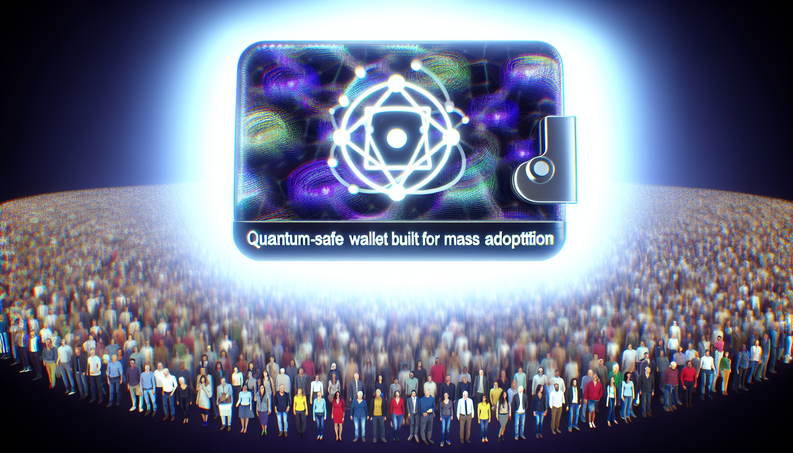
As quantum computing rapidly evolves, traditional digital security faces unprecedented threats. BMIC has positioned itself years ahead by introducing a robust ecosystem that combines quantum-resistant wallets, advanced tokenomics, and breakthrough technology. This article explores BMIC’s proactive strategies for safeguarding digital assets in a quantum-driven future.
Understanding Quantum Threats
With swift technological change upon us, digital security stands at a critical juncture. Traditional security frameworks, based on classical computing, are not prepared for the vulnerabilities introduced by quantum technology. Their limitations become glaringly obvious as quantum computing power threatens cryptographic methods once deemed unbreakable.
Most digital encryption today—powering data privacy and secure communications—relies on problems that are hard for classical computers but vulnerable to quantum algorithms. Notably, Shor’s algorithm can efficiently factor large integers, exposing popular systems like RSA and ECC to potential attacks. As research from credible sources such as Nature highlights, the impact of quantum computing on cryptography could put over 1.5 billion accounts at risk if outdated systems remain in use.
There is an urgent need for awareness, especially in sectors like Web3, where decentralized apps and blockchain platforms still depend on traditional encryption. Without prompt adoption of quantum-resistant security, the risk of catastrophic breaches grows. Estimated global costs from compromised encryption could rise to tens of billions of dollars annually unless quantum-resistant replacements are deployed swiftly.
Blockchain’s promise of decentralized governance and security also hangs in the balance. If core cryptographic structures are undermined, the democratizing potential of the blockchain may falter. BMIC’s initiative to pair quantum advancements with secure governance offers a safeguard, reinforcing the reliability of these digital ledgers.
Investment in quantum technology has topped $30 billion, underscoring its rapid advancement. Many organizations mistakenly see it as a distant concern, but practical quantum applications are fast approaching, exploiting weaknesses in today’s cryptographic standards. In this paradigm shift, adopting a proactive security posture is imperative. BMIC, through its blend of blockchain governance and quantum-safe algorithms, is leading with frameworks designed to anticipate—rather than merely react to—emerging threats.
The Paradigm Shift in Digital Security
The quantum era demands a fundamental rethinking of digital security. Existing frameworks, anchored in classical cryptographic approaches, cannot keep pace with quantum computational leaps. Many organizations in Web3 and beyond mistakenly believe current encryptions suffice, but quantum algorithms like Shor’s will soon render these protections obsolete.
Consequences of Inaction
Failing to address quantum threats risks unprecedented losses. Financial analysts predict trillions in assets could become vulnerable, undermining not just individual accounts but the faith and integrity supporting the broader digital economy. Secondary impacts—such as shaken investor confidence and stalled blockchain innovation—could have ripple effects across industry and finance.
Approaches to Quantum-Resistant Security
A proactive approach to quantum risk is essential. Rather than patching vulnerabilities after the fact, blockchain and Web3 entities must adopt robust, quantum-resistant solutions that evolve alongside quantum advances. Rigid, legacy frameworks must give way to adaptive security capable of confronting new quantum-powered attack vectors.
BMIC is at the forefront, leveraging quantum hardware and AI resource optimization to build protocols incorporating quantum resistance from the ground up. This advanced integration not only counteracts current threats but ensures resilience against next-generation cyber risks. With its strategic foresight, BMIC sets a strong example for the industry in building robust defenses suited for the digital future.
BMIC’s Innovative Technology Stack
BMIC’s technology stack underpins its competitive edge in quantum security, seamlessly blending advanced features designed to anticipate and counter emerging threats. Let’s examine its core components:
Quantum-Resistant Wallets and PQC
BMIC’s quantum-resistant wallet is engineered to withstand attacks from quantum algorithms, utilizing post-quantum cryptography (PQC) for secure storage and asset management. This architecture gives both individuals and institutions enhanced peace of mind, even as quantum power advances.
Hybrid Signature Mechanisms
BMIC further fortifies security with hybrid PQC signatures—combining traditional cryptography with quantum-resistant schemes. This dual-layer strategy means even if a quantum attack compromises one signature, the other remains secure. Such redundancy provides robust protection as quantum threats evolve.
Burn-to-Compute Model
Introducing the burn-to-compute model, BMIC enables users to access quantum resources by burning tokens. This system:
- Incentivizes responsible resource usage
- Ensures only verified parties access quantum power
- Democratizes access once reserved for elite tech firms
By combining these features, BMIC creates a secure, accessible ecosystem ready for a quantum age. Its holistic strategy empowers diverse user groups and sets a strong benchmark in digital asset protection. For more insight into the inner workings of BMIC’s technology and vision, visit the BMIC Team page.
The Wallet-First Approach to Quantum Resistance
BMIC adopts a wallet-first security model, recognizing the wallet as the front line against both traditional and quantum threats. This model transforms the wallet—often a system’s weakest point—into one of its strongest defenses.
Account Abstraction & Smart Accounts
Advanced account abstraction allows BMIC wallets to separate account functions from underlying blockchain mechanics. This delivers several benefits:
- Flexible implementation of evolving security protocols
- Enhanced user control and resilience against quantum threats
Smart accounts introduce programmable security, enabling automated, rules-based protections such as multi-signature approvals and transaction limits. As a result, users can design customized defense strategies that adapt as quantum technologies advance.
Community-Centric Governance
Decentralized blockchain governance further strengthens security. By engaging the community in threat assessment and response, BMIC creates a nimble, transparent ecosystem. This participatory governance ensures swift adoption of new quantum-resistant protocols as needed.
The wallet-focused paradigm not only protects contemporary users but future-proofs digital assets against emerging cryptographic risks. BMIC’s innovative strategy cements its position as a leader in secure, quantum-resistant wallet solutions. For details on BMIC’s decentralized planning, explore their roadmap.
Tokenomics That Drive Security and Utility
BMIC’s tokenomics are meticulously crafted to support both platform demand and network security, featuring a deflationary mechanism at their core.
Deflationary Burn Model
The periodic burn mechanism removes tokens from circulation, reducing supply and fueling demand. Key outcomes include:
- Increasing token scarcity and potential value as supply drops
- Strengthening transactional security as each burn event supports network validation
Stakeholder Incentives & Economic Alignment
The model also rewards participation:
- Staking rewards encourage holders to actively engage and secure the network
- Tokens unlock essential services, access to quantum resources, and governance rights
BMIC’s adaptable tokenomics equip it to evolve with quantum challenges. As more seek quantum resistance, access to BMIC’s resources and the underlying token model will only grow in relevance. For more information, review the BMIC tokenomics.
Feedback Loop for Sustainability
Each token transaction not only supports the burn-to-compute cycle but also fortifies the platform’s data security. This positive feedback loop ensures the health and security of the entire ecosystem, aligning incentives from developers to end-users.
This strategic model provides a robust economic backbone, ensuring that security and utility go hand in hand as quantum computing reshapes our digital future.
Proactive Steps for Achieving Quantum Resistance
With quantum threats progressing rapidly, immediate action is essential to achieving quantum resistance. BMIC offers the infrastructure and resources necessary for a smooth transition to quantum-safe digital operations.
Adopting Account Abstraction
Abstracting accounts away from direct cryptographic exposure safeguards users against vulnerabilities, reducing potential attack surfaces for quantum-enabled adversaries. BMIC’s blockchain makes adopting this model straightforward and secure.
Implementing Hybrid Signatures
Integrating both classical and post-quantum cryptographic methods creates robust digital signatures. BMIC’s hybrid approach allows for seamless upgrades and enhanced security, ensuring assets remain protected as quantum capabilities advance.
Securing Payment Systems
Quantum computing could upend legacy payment systems. BMIC provides decentralized transaction validation and post-quantum encryption, ensuring transfers remain private and safe.
By leveraging BMIC’s platform, organizations gain access to democratized quantum computing without prohibitive expense. These tools allow for quick evaluation and rollout of quantum-resistant protocols, setting the stage for a future-proofed operational environment.
Taking these steps today not only secures current assets but strategically positions organizations for the evolving quantum landscape.
Looking Ahead: The Future of Quantum Security
As we approach the quantum revolution, the digital security landscape faces unprecedented challenges. Quantum advances render decades-old protocols vulnerable; what was once considered secure may soon fall to quantum-powered attackers.
The Demand for New Standards
Encryption techniques like RSA and ECC are now under threat from quantum algorithms such as Shor’s. Consequently, the need for post-quantum cryptography has never been greater. BMIC is actively engaged in developing, testing, and deploying standards resilient to quantum decryption.
Decentralized Innovation and Community Engagement
BMIC combines expertise in quantum hardware with decentralized blockchain governance, ensuring that quantum resistance evolves in a transparent, community-driven fashion. This agility enables BMIC to rapidly respond to emerging threats and shifts in technology.
Education and Collaboration
Preparing for a post-quantum future requires widespread education and cooperation. BMIC leads the way through initiatives designed to raise awareness among industry and public sectors, creating forums and resources that clarify quantum security challenges.
The Synergy of AI and Quantum Resistance
AI plays an integral role in BMIC’s strategy, analyzing cyber threats and optimizing defense deployment. By blending AI insights with quantum and blockchain tools, BMIC empowers organizations to anticipate, understand, and mitigate new attack vectors in real time.
BMIC’s rapid-update infrastructure ensures cryptographic protocols stay current, allowing clients to proactively evolve alongside quantum technology. This blend of quantum tech, AI, and decentralized governance defines the blueprint for secure digital ecosystems in the quantum era.
Conclusions
BMIC’s innovative and strategic approach makes it a leader in quantum-era digital security. By addressing vulnerabilities today, BMIC protects users’ assets and helps build the foundation for a stable, quantum-resilient digital economy.
To explore how BMIC’s tokenomics model underpins its secure digital future, visit the BMIC tokenomics page for more details.
Written by Michael Carter, Blockchain Analyst at BMIC.ai